Türkçe
 Deutsch

Sexual reluctance is a condition that develops due to underlying physical, hormonal, or psychological causes and can be largely controlled with appropriate treatment approaches. The treatment process is planned according to the individual’s general health condition and etiological factors.
Treatment methods for sexual reluctance include regulating hormonal imbalances, controlling chronic diseases, and reviewing the medications used. When endocrine disorders and metabolic problems are evaluated, targeted medical interventions can provide effective results.
Management of psychologically based sexual reluctance includes addressing conditions such as stress, anxiety, and depression with professional support. Methods such as cognitive behavioral therapy and couples therapy play an important role in increasing the individual’s sexual motivation and improve treatment success.
Treatment of sexual reluctance with lifestyle changes includes factors such as regular exercise, balanced nutrition, and maintaining a sleep routine. Reducing alcohol and smoking improves general health and provides positive contributions to sexual functions.
What Is Sexual Reluctance? Symptoms, Causes, and Treatment Methods
Sexual reluctance is the decrease or complete loss of an individual’s desire to have sexual intercourse. This condition is seen in both women and men and generally directly affects quality of life, partner relationships, and mental balance. Sexuality is not only a physical act; it is a whole of emotional, psychological, and hormonal processes. Therefore, a decrease in desire is often an indicator of an underlying cause.
Although it is not often expressed in society, sexual reluctance is quite common. Especially the stress brought by modern life, intense work pace, relationship problems, and health problems may trigger this condition. Decreased sexual desire should not be evaluated as a disease alone, but as a symptom. Because the source of this condition may sometimes be physical, sometimes psychological, and sometimes related to the couple’s relationship.
To understand sexual reluctance, it is first necessary to look at the body’s biochemical structure, hormone levels, mental state, and the dynamics of social relationships. Treatment should also be planned by taking this multidimensional structure into account.
What Are the Symptoms of Sexual Reluctance? Common Signs in Men and Women
Sexual reluctance is generally a silently progressing process. The individual first gives less space to sexual thoughts, then the desire for sexual contact or intercourse decreases significantly. This condition sometimes develops slowly, while sometimes it may appear suddenly after a trauma or stressful period.
In men, decreased sexual desire is usually accompanied by erection problems or performance anxiety. In women, vaginal dryness, difficulty with orgasm, and decreased desire for physical contact are observed. Common symptoms include a constant feeling of fatigue, decreased sexual fantasies, emotional distance from the partner, and dissatisfaction after sexual activity.
Sexual reluctance may sometimes also develop as a result of the partner’s indifference or emotional wear in the relationship. Long-term monotonous relationships, loss of trust, or communication problems with the partner may also lead to low libido. Therefore, not only the individual but also the relationship should be evaluated.
What Causes Sexual Reluctance in Men? Psychological and Physical Causes
One of the most common causes of decreased sexual desire in men is hormonal imbalance. Especially a decrease in testosterone hormone directly affects libido. Advancing age, obesity, diabetes, fatty liver, or thyroid disorders may reduce testosterone levels.
In addition, depression, anxiety, intense stress, relationship conflicts, and performance anxiety are among psychological causes. The frequently seen “fear of failure” in men may lead to suppression of sexual desire.
Some medications may also have a negative effect on libido. Especially antidepressants, blood pressure medications, and hormone-regulating drugs may reduce sexual desire. Alcohol and substance use, smoking, and a sedentary lifestyle are also among the factors supporting this condition.
Sexual reluctance in men may sometimes be temporary; it may improve spontaneously during periods when stress decreases, rest increases, or living conditions improve. However, in long-lasting cases, evaluation must be performed by a urology or andrology specialist.
Causes of Sexual Reluctance in Women: Hormonal, Psychological, and Emotional Factors
Sexual reluctance in women is a more complex process compared to men. Because female sexuality is intertwined not only with physical arousal but also with emotional bonding, trust, love, and mental balance.
One of the most common causes is hormonal changes. The menopause period, postpartum period, or use of birth control pills may cause fluctuations in hormone levels and increase reluctance. Especially low estrogen causes vaginal dryness and sexual pain, which leads to decreased desire over time.
Psychological factors include stress, anxiety, low self-esteem, and body image disorder. If a woman does not feel attractive or has experienced a traumatic event in the past, she may suppress her sexual desire. In addition, weakening of the emotional bond with the partner, fear of being cheated on, or lack of communication also play an important role.
In some women, postpartum depression or chronic fatigue also has a suppressive effect on libido. Therefore, treatment should be carried out not only by regulating hormone levels but also together with psychological support.
Do Prostate and Diabetes Cause Sexual Reluctance?
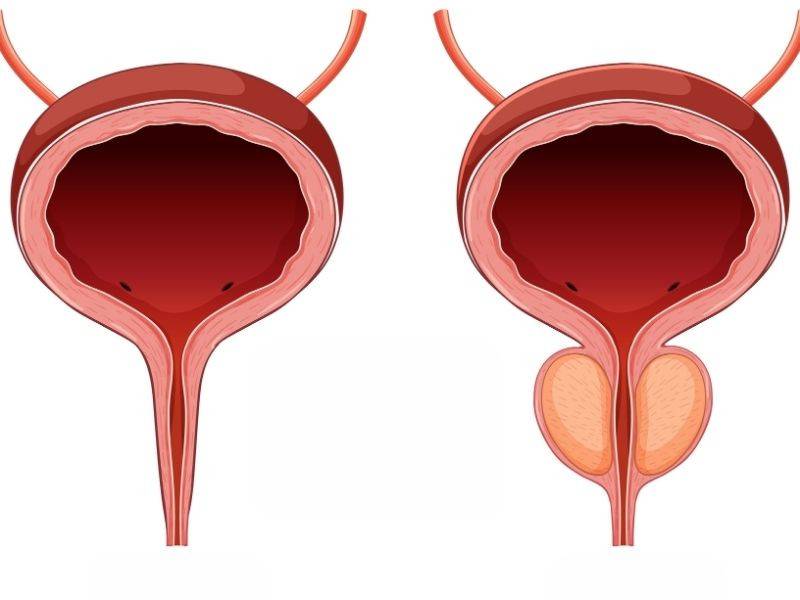
Prostate diseases and diabetes are two of the most important health problems affecting sexual functions in men. Especially in chronic prostatitis or prostate enlargement, pain in the pelvic region, difficulty urinating, and decreased sexual arousal may be seen. This condition may turn into sexual reluctance over time.
Diabetes reduces erection quality by affecting both the nervous system and vascular structure. In addition, long-term high blood sugar may disrupt hormonal balance and reduce testosterone levels. Fatigue, depressed mood, and low energy due to diabetes also trigger loss of libido.
In such cases, sexual reluctance is not expected to improve without treating the underlying disease. Therefore, men with prostate or diabetes problems should be under regular doctor control and pay attention to lifestyle changes.
What Are the Types of Sexual Reluctance? Differences Between Temporary and Permanent Loss of Desire
Sexual reluctance is examined in two main groups: temporary and permanent reluctance. Temporary sexual reluctance usually results from stress, fatigue, relationship problems, or short-term hormonal changes. This condition often improves with rest, psychological relief, or strengthening of communication within the relationship.
Permanent reluctance is a long-lasting, recurring condition that seriously affects the individual’s quality of life. It is generally associated with underlying hormonal disorders, chronic diseases, medication use, or deep psychological traumas.
Patience and a holistic approach are required in the treatment of permanent reluctance. Because it is important to address both physical and psychological factors together. A detailed evaluation by a specialist physician determines the direction of the treatment process.
How Is Sexual Reluctance Diagnosed? Diagnostic Methods Used by Specialists
The most important step in the diagnosis of sexual reluctance is taking a detailed patient history. The physician deeply questions the physical, emotional, and relational factors experienced by the patient.
Then hormone tests, blood tests, and, if necessary, psychiatric evaluations are performed. Testosterone levels are measured in men, and estrogen and progesterone levels are measured in women. In some cases, thyroid hormones or prolactin levels are also checked.
The couple’s relational dynamics should also be evaluated during the diagnostic process. Because sometimes no organic cause is found in the individual, but communication breakdown with the partner or emotional dissatisfaction may explain this condition.
After the diagnosis is clarified, a personalized treatment plan is prepared. This plan includes both medical and psychological aspects and generally progresses gradually.
The Psychological Dimension of Sexual Reluctance: Subconscious Effects and Emotional Barriers
Sexual reluctance is not only a physical condition; emotional conflicts, subconscious fears, and suppressed feelings located deep in the human mind also form the invisible side of this process. Sexuality carries a strong connection between the conscious and subconscious. Negative experiences in the past, strict moral messages given in childhood, or sexuality being coded as “shameful” may cause the person to suppress sexual desire in adulthood.
Many individuals unknowingly carry feelings of guilt, fear of failure, or anxiety about losing control. These emotions turn into strong barriers that reduce sexual desire in the subconscious. While sexuality, which is more associated with love in women, regresses together with lack of emotional trust, fear of failure, feelings of inadequacy, and fear of rejection may lead to low libido in men.
These barriers in the subconscious become noticeable only through therapeutic processes. Sexual therapy helps the person discover suppressed emotions, recognize their body again, and associate sexuality with naturalness instead of guilt. This method is especially effective in individuals who have experienced sexual abuse, trauma, or a religiously oppressive upbringing in the past.
Physical symptoms are only the reflections visible on the surface. To get to the root of the problem, the person must confront their inner world and resolve the emotional barriers in the subconscious.
The Connection Between Stress, Anxiety, and Sexual Performance
Stress is one of the most common problems of our age and has a direct effect on sexual life. The intensity of daily life, work pressure, economic concerns, and family responsibilities weaken sexual desire over time. The main reason for this is that stress increases the hormone called “cortisol” in the body. When cortisol levels rise, the body enters survival mode; this causes the reproductive system to be pushed into the background.
Anxiety disorder similarly negatively affects sexual performance. In men, the thought of “what if I fail” often turns into performance anxiety. This condition triggers the stress response in the brain and suppresses the erection process. In women, stress prevents arousal by making it difficult to establish an emotional bond.
Long-term stress also disrupts the dopamine and serotonin balance in the brain. These neurotransmitters are responsible for feelings of happiness and pleasure. When imbalance occurs, the person cannot enjoy sexual activity and may even move away from it completely over time.
Therefore, stress management is one of the basic elements of sexual health. Regular exercise, meditation, breathing exercises, and maintaining a sleep routine may increase libido by balancing cortisol levels. At the same time, establishing open communication with the partner, increasing emotional sharing, and reducing performance pressure are also effective methods in regaining desire. It should not be forgotten that a healthy sexual life requires not only the body but also the mind to be relaxed. If the mind is tense, the body cannot be expected to produce desire.
Sexual Desire and Hormone Balance: The Role of Testosterone, Estrogen, and DHEA
Healthy sexual desire depends on the preservation of both emotional and biological balance. The most important hormones determining this balance are testosterone, estrogen, and DHEA (Dehydroepiandrosterone). Testosterone directly affects libido in both men and women; its deficiency manifests as decreased energy and reluctance in men, and difficulty with orgasm and loss of motivation in women. Estrogen supports vaginal lubrication and sexual arousal, especially in women. When it decreases during menopause, it causes desire to decrease both physically and emotionally. The DHEA hormone plays a role in the production of other sex hormones; when its level decreases, fatigue, emotional stagnation, and loss of libido may occur.
Hormonal imbalances may develop not only with aging but also with stress, irregular nutrition, chronic diseases, or long-term use of some medications. The aim of treatment is to return hormone levels to the natural range. Deficiencies are determined with tests performed under specialist control, and supplement treatments are applied if necessary. In addition, balanced nutrition, regular sleep, exercise, and staying away from alcohol and smoking protect hormone balance. Preserving this biological harmony is of great importance for maintaining sexual desire.
Treatment of Sexual Reluctance in Men: Increasing Sexual Power with Medical Methods
The most important step in the treatment of sexual reluctance in men is correctly identifying the cause of the problem. If hormonal disorders, especially low testosterone, are present, testosterone-balancing treatments may be applied under doctor supervision. Such medical approaches should be planned only after confirmation with laboratory tests and carried out under physician follow-up. In addition, lifestyle changes form the basis of treatment. Regular exercise, healthy nutrition, maintaining ideal weight, quitting smoking, and reducing alcohol consumption positively affect sexual performance. In addition, supplements such as zinc, vitamin D, magnesium, and B group vitamins may be beneficial in increasing testosterone production and general energy levels.
If psychological factors underlie reluctance, psychological support methods such as cognitive behavioral therapy or sexual therapy may be applied. These therapies reduce performance anxiety, strengthen self-confidence, and change negative thought patterns about sexuality. Sleep routine, stress management, and open communication with the partner are also of great importance during the treatment process. Treatment of sexual reluctance is a process; it requires patience and regular follow-up. The aim is not only a temporary solution but for the person to regain both physical and mental balance.
Treatment of Sexual Reluctance in Women: Herbal, Psychological, and Hormonal Solutions
The treatment approach in women is also multidimensional. If hormonal imbalance is present, treatments containing estrogen or testosterone may be applied under doctor supervision. Local estrogen creams may be used in women experiencing vaginal dryness.
In cases where psychological causes are prominent, therapy, counseling, or couples therapy is effective. A woman’s self-knowledge, rediscovering her body, and being able to establish an emotional bond are important parts of treatment.
Among herbal supports, some natural supplements (for example ginseng, maca root, tribulus terrestris) may have a positive effect on libido; however, these must definitely be used under specialist control. It is important to ask a specialist doctor against situations such as drug interaction and allergy.
Partner support is very valuable during the treatment process. Because sexual reluctance is not the experience of one person, but the shared experience of the couple. Patience, understanding, and communication are the strongest medicine of this process.

Prof. Dr. Berkan Reşorlu, born in Ankara in 1979, completed his medical education at Ankara University between 1997 and 2003, and his specialization in urology at Ankara University Faculty of Medicine between 2003 and 2008. Academically, he received the title of associate professor in 2013 and professor in 2022.
He has conducted extensive case series studies in the field of endoscopic stone surgery, contributed surgeries performed on children under the age of 1 to the literature, and has gained international recognition with his stone scoring system and experimental surgical models.