
 Türkçe
 Deutsch
 العربية

Bedwetting and voiding disorders are clinical conditions characterized by the inability to achieve the expected level of urinary control in childhood and adulthood. Conditions such as enuresis and incontinence require the combined evaluation of neurological, urological, and psychosocial factors.
The causes of nighttime bedwetting in children are associated with developmental delay in bladder control, genetic predisposition, and depth of sleep. Irregularities in antidiuretic hormone secretion and insufficient bladder capacity also contribute to the condition and shape the treatment plan.
The types of urinary incontinence in adults are classified as stress incontinence, urge incontinence, and mixed type. Pelvic floor muscle weakness, prostate diseases, and neurological disorders play an important role in the etiology and require an individualized treatment approach.
Treatment methods for bedwetting and voiding disorders include behavioral therapy, pelvic floor exercises, and pharmacological options. Early diagnosis and a multidisciplinary approach are the main determining factors in improving quality of life and reducing the risk of complications.
| Things You Should Know | Information |
| Definition | Bedwetting (enuresis) and voiding disorders are conditions in which the child or adult cannot achieve urinary control appropriate for their age or experiences functional problems during the urination process. Enuresis is generally defined as involuntary urinary leakage after the age of 5. |
| Types | It is classified as nocturnal enuresis (nighttime bedwetting), diurnal enuresis (daytime urinary incontinence), primary (never having had a dry period), and secondary (starting again after remaining dry for at least 6 months). Voiding disorders include conditions such as frequent urination, sudden urgency, intermittent urination, and straining during urination. |
| Age of Occurrence | Enuresis is generally evaluated after the age of 5. While the incidence is 15–20% around the age of 5, it decreases as age increases. Voiding disorders are more common in childhood, but they can also occur in adults. |
| Causes | Small bladder capacity, increased nighttime urine production, genetic predisposition, depth of sleep, coordination disorder of the bladder muscles, urinary tract infections, constipation, psychosocial stress factors, and neurological diseases may be causes. |
| Risk Factors | Family history, male sex (especially in nocturnal enuresis), developmental delays, attention deficit and hyperactivity disorder (ADHD), stressful life events, and chronic constipation are among the risk factors. |
| Symptoms | Involuntary urinary leakage at night or during the day, sudden feeling of urgency, frequent urination, straining during urination, interruption in urine flow, dribbling, and sometimes accompanying abdominal pain may be seen. |
| Diagnostic Methods | A detailed history and physical examination are the basic diagnostic methods. A voiding diary, urinalysis, ultrasonography, and urodynamic examinations may be performed when necessary. Underlying infection or anatomical problems are investigated. |
| Treatment Approaches | Behavioral treatments (regulating toilet training, planning fluid intake), alarm therapy (especially in nocturnal enuresis), pelvic floor exercises, treatment of constipation, and drug treatment (desmopressin, anticholinergics) may be applied when necessary. |
| Psychological Effects | Loss of self-confidence, shame, social withdrawal, and anxiety may develop. Therefore, a supportive and non-punitive approach is important. |
| Prevention and Support | Establishing regular toilet habits, limiting evening fluid intake, preventing constipation, approaching the child supportively, and reducing stress factors are beneficial. Early evaluation helps prevent complications. |
| When Specialist Evaluation Is Required | Further evaluation is required in the presence of bedwetting continuing after the age of 5, daytime urinary incontinence, painful urination, recurrent urinary tract infection, sudden-onset secondary enuresis, or neurological symptoms. |

Prof. Dr. Berkan Reşorlu
Urology Specialist
Urology Specialist
Prof. Dr. Berkan Reşorlu, born in Ankara in 1979, completed his medical education at Ankara University between 1997-2003 and his urology specialization at Ankara University Faculty of Medicine between 2003-2008. Academically, he received the title of associate professor in 2013 and professor in 2022.
He has carried out extensive series studies in the field of endoscopic stone surgery, introduced surgeries applied to children under 1 year of age into the literature, and gained international recognition with his stone scoring system and experimental surgical models.
What Is Nocturnal Enuresis (Bedwetting) and At What Ages Is It Commonly Seen?
Nighttime bedwetting is defined, according to general medical acceptance, as the act of involuntary and repeated urinary leakage during sleep in children who have completed the age of five. In the human body, the achievement of urinary control depends on the complete maturation of the neural pathways between the brain and the bladder. The expected upper limit for the completion of this neurological maturation is accepted as five years of age. For this reason, nighttime urinary leakage in children younger than five is considered part of a developmental process, whereas conditions continuing after this age limit require medical evaluation.
When looking at the general population, this condition is an extremely common picture. Nighttime bedwetting is seen in an average of fifteen to twenty percent of five-year-old children. As age increases, this rate enters a natural downward trend as the body’s nervous system and bladder capacity develop. In school-age children between the ages of seven and ten, the incidence decreases to around seven percent. In the transition period to adulthood at the age of fifteen and above, this rate is around one percent. Although statistics show that the disease has a capacity for spontaneous improvement at a rate of approximately fifteen percent each year, waiting for this spontaneous improvement means ignoring the traumas the child will experience in school and social life.
What Is the Role of Gender and Environmental Factors in the Problem of Bedwetting?
Gender has a very significant effect on the emergence of this health problem. When physiological development processes are examined, it has been determined that bedwetting is seen approximately twice as often in boys as in girls. The basis of this statistical difference lies in the fact that the maturation process that enables the muscular and nervous systems in boys to work in harmony with each other progresses more slowly than in girls. In addition, structural differences in the urinary tract anatomically also contribute to this proportional inequality.
The effect of environmental and socioeconomic factors on this picture is also extremely great. Stress factors in the child’s home environment may directly affect bladder control. Psychological pressures such as the divorce process of the parents, the fear of loss of attention created by a new sibling joining the family, peer bullying experienced at school, or the parents’ expectations from the child being too high trigger the nervous system. At the same time, a crowded family structure and incorrect practices in toilet training depending on the parents’ level of education are among the environmental obstacles that delay bodily maturation.
What Are the Main Causes of Nighttime Bedwetting?
The mechanism underlying nighttime bedwetting extends over a very wide spectrum and cannot be attributed to a single cause. In detailed examinations, no direct disease or structural disorder is detected in the kidneys, urinary tract, or bladder in ninety-seven percent of patients. In the remaining great majority, the problem arises from the fact that the fine adjustments in the body’s working system have not yet fully settled.
This physiological maladjustment rises on three main pillars. These are the nighttime working pace of the kidneys, the volume capacity of the bladder, and the brain’s wakefulness threshold during sleep. The inability of these three centers in the body to work simultaneously and harmoniously results in the bed getting wet at night. Although there is no underlying organ failure or serious disease, these functional delays have the power to deeply affect the child’s daily life.
How Effective Is Genetic Predisposition in Bedwetting?
The strongest and most undeniable factor in the emergence of this picture is genetics. Medical research has proven that gene regions on certain chromosomes are directly connected with bladder control. This reveals that bedwetting is to a great extent an inherited legacy passed down through the family line. It is of vital value for families to know this in order to prevent them from blaming their children or themselves.
If both parents have a history of nighttime bedwetting in their childhood, the probability of this genetic legacy being passed to the child and the same problem being seen in the child is at a very high level of seventy-seven percent. This means that the risk is approximately eleven times higher compared with the general population. If only one of the parents has such a history in the past, the child’s risk of bedwetting remains high at around forty-four percent. If there is absolutely no such history in the family, the child’s probability of experiencing this problem decreases to the base level of fifteen percent.
What Is the Connection Between Hormonal Changes and Nighttime Urine Production?
The daily rhythm (circadian rhythm) of a healthy body is programmed to be more active during the day and directed toward rest at night. During this resting process, a very special hormone called “Antidiuretic Hormone” is secreted from the pituitary gland in the brain. The main function of this hormone is to reach the kidneys through the bloodstream and signal them to work less and produce less urine throughout the night. In this way, the amount of urine produced at night decreases by half compared to daytime, and the person can sleep until morning without feeling the need to get up to go to the toilet.
However, in a large part of individuals who wet the bed at night, the amount of this hormone secreted by the brain at night remains insufficient. The kidneys, which cannot receive the hormonal signal, continue to work at full capacity and produce a high amount of urine as if it were daytime. This condition is called “nocturnal polyuria” in medicine, that is, excessive nighttime urine production. When this high-volume urine produced by the kidneys exceeds the child’s bladder capacity, wetting the bed becomes inevitable.
Contact us now to get detailed information about treatments and to make an appointment!
Does a Very Deep Sleep Pattern Cause Bedwetting?
One of the most frequently expressed complaints by families is that their children sleep very heavily and do not wake up to any sound. This condition, known among the public as “deep sleep,” is defined in medical literature as having a high arousal threshold. In fact, the problem is not that the child sleeps too deeply, but that the brain has closed its doors to the signals coming from the internal organs.
Under normal conditions, when the bladder fills during sleep and its walls begin to stretch, “fullness” signals are sent to the brain through the nervous system. The brain receives this signal, interrupts sleep, and wakes the individual so they can go to the toilet. However, in children who wet the bed, there is a disconnection in this communication line. Even if the bladder becomes completely full or even reaches the point of overflow, the brain cannot perceive these intense signals, or even if it does perceive them, it cannot produce a response strong enough to trigger the waking reflex. This condition is not a structural problem in sleep architecture, but rather an adaptation delay in brain-bladder communication.
What Are the Clinical Types of Bedwetting and Voiding Disorders?
For the correct treatment of the disease, it must first be determined exactly which group it belongs to. Different classifications are made according to the time the symptoms are seen and the other accompanying complaints.
The clinical types are as follows:
- Monosymptomatic type
- Non-monosymptomatic type
- Primary type
- Secondary type
The monosymptomatic type, as the name suggests, is the group in which there is only a single complaint. The child experiences no problem at all with toilet habits during the day, does not feel sudden urgency, and does not leak urine; the problem is entirely during nighttime sleep. This condition generally indicates hormonal deficiency or a developmental delay.
The non-monosymptomatic type, on the other hand, is a much more complex picture. In these children, in addition to nighttime bedwetting, there are complaints such as daytime urinary leakage, the need to cross the legs due to sudden urgency, going to the toilet very frequently or very rarely, intermittent urination, and chronic constipation. This group requires much more detailed examination in terms of anatomical or functional disorders.
The primary type defines the uninterrupted condition in which the child has never gained nighttime urinary control at any time since infancy. The secondary type, on the other hand, is the condition in which the child maintained nighttime dryness for at least six months and then suddenly started wetting the bed again afterward. Secondary cases generally arise with later-developing triggers such as urinary tract infections, diabetes mellitus, or a severe psychological trauma experienced.
What Steps Does the Urology Specialist Follow When Making a Diagnosis?
The basic principle in the urological diagnostic process is to stay away from painful and exhausting tests that would unnecessarily frighten the patient. Especially in patients who only wet the bed at night, very detailed radiological imaging or blood tests are rarely needed at the first application. The real backbone of the diagnosis is the very comprehensive and detailed interview that the physician will conduct with the family and the child.
In this interview, the physician questions in detail the child’s water drinking habits during the day, the frequency of going to the toilet, posture position on the toilet, and the movements made to postpone toileting when the need arises. Not only the urinary tract but also the child’s general sleep pattern, whether the child snores, or breathes through the mouth are of great importance. This is because conditions such as sleep apnea due to adenoid enlargement are factors that can directly trigger bedwetting by disrupting nighttime hormonal balance. The physician gets to the source of the problem by putting together all these pieces of the puzzle.
What Data Does the Voiding Diary Provide During the Diagnostic Stage?
The most valuable tool in the diagnostic process is the voiding diary, a detailed recording system that the family will keep at home. Generally, for at least two days and three nights, timed to coincide with the weekend when the child is at home, all fluids taken in and all urine output are meticulously recorded in milliliters with the help of a measuring container.
The main data observed are as follows:
- Maximum urine volume
- Daily water consumption
- Nighttime urine amount
- Frequency of going to the toilet
The maximum urine volume shows the highest amount of urine the child passes at one time. This value is compared with the ideal bladder capacity calculated with mathematical formulas appropriate for the child’s age. If the obtained number is far below the ideal capacity, it is understood that the child’s bladder remains small for the child’s age, and a treatment is planned accordingly.
The daily water consumption data reveal whether the child does not drink any water at school during the day and then meets all fluid needs immediately before going to bed after coming home in the evening. The nighttime urine amount mathematically proves how active the kidneys are during sleep. If this value is very high, the presence of a hormonal deficiency is confirmed, and the treatment focuses directly on eliminating this deficiency.
Contact us now to get detailed information about treatments and to make an appointment!
In Which Situations Are Tests Such as Urinalysis and Ultrasound Requested?
After the comprehensive interview and the diary, laboratory tests are initiated. The first and most important step is the complete urinalysis, which is extremely simple but informative. This test shows whether there is a hidden urinary tract infection in the body, whether there is blood in the urine, or whether there is sugar leakage in the urine. Detection of sugar in the urine may be the first sign of an as-yet undiagnosed diabetes mellitus and may appear as the main cause responsible for excessive nighttime urine production.
In children who have complaints of daytime urinary leakage, experience sudden urgency, or do not benefit at all from first-line treatments, urinary system ultrasonography comes into play. With this completely painless and radiation-free sound wave method, the anatomical structure of the kidneys is examined. It is checked whether there is thickening in the bladder wall. Most importantly, immediately after the child urinates and empties the bladder, ultrasound is performed to check whether urine remains inside (residual urine). The continuous presence of urine left inside is a serious finding showing that the bladder muscle or valves are not fully performing their function.
Which Voiding Curves Are Detected with the Uroflowmetry Test?
In cases suspected of voiding disorders, uroflowmetry (voiding test), which measures the dynamics of urine flow in a computer environment on a millisecond basis, is the gold standard. The child urinates into a special funnel-shaped device, and the system calculates the speed, pressure, and duration of this flow and draws a graph on the screen. The shape of this drawn curve offers very clear anatomical and functional information to the urology specialist about the nature of the underlying problem.
The detected curve types are as follows:
- Bell curve
- Plateau curve
- Staccato curve
- Tower curve
The bell curve is the ideal flow graph seen in a healthy individual with no obstruction or muscle discoordination, rising rapidly and decreasing rapidly to take the shape of a smooth bell. The plateau curve, on the other hand, is a graph in which urine cannot rise rapidly, extends as a flat horizontal line, and emptying takes a very long time. This condition is definitive proof that there is a physical narrowing or serious obstruction in the urinary tract.
The staccato curve is formed by urine coming out intermittently, in waves. This graph shows that the child is involuntarily contracting the pelvic floor muscles while urinating at the same time, that the muscles are in conflict with each other, and that there is a functional voiding disorder. The tower curve represents a very high peak that suddenly shoots up within seconds and then ends immediately. This condition generally indicates the presence of an overactive bladder that is constantly ready to contract.
What Basic Steps Are Applied Within the Scope of Behavioral Treatment?
After identifying the problem, the treatment process always begins with the simplest, most harmless steps that regulate the patient’s daily life habits. This first step, applied with the full motivation of the family, often greatly alleviates the problem without the need for medication.
The steps that should be applied are as follows:
- Fluid restriction
- Timed toilet training
- Establishing bowel regularity
- Setting up a reward system
The fluid restriction step includes supporting the child’s drinking of sufficient water during the day while completely stopping all fluids such as water, fruit juice, and milk in the last two hours before bedtime. In particular, excessively salty and spicy foods that increase the feeling of thirst at dinner and caffeinated beverages that directly stimulate the bladder must definitely be avoided.
Timed toilet training is applied so that the bladder can find its correct working rhythm. The child is made to go to the toilet every two hours during the day whether there is an urge or not. Actions that strain the bladder muscle, such as becoming absorbed in games or television and holding urine until the last moment, and leg crossing, are prevented.
Establishing bowel regularity is the most critical but also the most overlooked step of the treatment. Hard stool accumulated in the rectum due to constipation exerts constant physical pressure on the bladder located just in front of it and seriously narrows the urine storage capacity of the bladder. Even just regulating the diet with fiber-rich foods and relieving constipation eliminates a significant part of voiding problems. The reward system increases the child’s motivation; small congratulations are given for mornings when the bed is dry, while punishment or shaming methods are never resorted to for wet nights.
How Are Medication and Alarm Devices Used in the Treatment of Bedwetting?
In cases where lifestyle changes are not sufficient, medical support and conditioning methods are brought into play. The treatments applied at this stage are aimed at completing the body’s deficient functions or retraining the nervous system.
The main treatment tools used are as follows:
- Enuretic alarm device
- Desmopressin treatment
- Anticholinergic drugs
The enuretic alarm device is a sensor system attached to the child’s pajamas or bedsheet that wakes the child with a loud sound or vibration when it comes into contact with the first drop of urine. Its basic logic is to re-establish, through conditioned reflex, the broken communication between the brain and the bladder by waking the brain at the very second when the bladder is full and urine leaks. Although this treatment requires patience over months, it is the method with the highest long-term permanent success rate.
Desmopressin treatment is the artificial administration from outside of the hormone that cannot be produced at night in the body and that reduces urine. Thanks to this drug taken immediately before bedtime, the nighttime urine production of the kidneys slows down rapidly. It is an excellent option especially in situations where a definite result must be obtained in a very short time, such as school camps, holidays, or overnight guest stays. Anticholinergic drugs are supportive treatments that allow the reservoir to hold more urine by relaxing the bladder muscles in cases where bladder capacity is small.
Which Advanced Treatments Are Preferred in Resistant Cases of Bedwetting?
In severe functional disorders where treatments provided by alarm devices and basic medications do not yield results, especially when daytime leakage also accompanies them, much more specific and advanced treatment methods are applied in urology clinics.
The advanced treatment options are as follows:
- Nerve stimulation
- Intravesical botox
- Neural therapy applications
Nerve stimulation, also known as the PTNS method, is the process of stimulating with mild electrical currents a nerve that passes through the inner part of the ankle and is connected to the same center as the nerve networks controlling the bladder. These currents delivered through pads attached to the surface are carried upward through the nerve and virtually reprogram the working pattern of the bladder. It is a very modern approach that is completely painless and applied in sessions.
Intravesical botox injection is preferred in very difficult cases in which the bladder muscle is overactive and contracts involuntarily all the time. Botulinum toxin injected into the wall muscles by entering the bladder with endoscopic methods temporarily paralyzes the nerve endings in that area. Thus, the bladder does not contract suddenly and the urine storage capacity reaches its maximum level. Neural therapy applications are also regional supportive treatments used to break resistance by regulating the autonomic nervous system.
How Should Kegel Exercises Be Performed in Voiding Disorders?
In individuals who experience problems in bladder emptying dynamics, cannot completely finish urinating in the toilet, or have difficulty initiating urine flow, learning the correct use of the pelvic floor muscles is one of the key points of treatment. Control of this muscle group, which allows the holding or releasing of urine flow, can be improved with special physiotherapy methods.
The techniques used are as follows:
- Contraction-relaxation exercises
- Computerized biofeedback
In contraction-relaxation (Kegel) exercises, the person is taught to squeeze the muscles in the pelvic region for a few seconds as if holding back urine or gas and then to rest them by relaxing completely. In this way, weakness in coordination between the muscles is eliminated. In the computerized biofeedback method, the movements of the muscle are reflected on the screen in the form of a game through sensors attached to the body. When the person contracts the correct muscle, the character on the screen jumps or moves, thus learning to work the correct muscle group with completely visual feedback.
There is a very vital rule in the application of these exercises. Pelvic muscle strengthening exercises should never be performed while urinating in the toilet. Trying to contract the muscle and stop the urine while urine is being emptied raises the pressure inside the bladder to dangerous levels and creates the basis for urine reflux to the kidneys or serious infections. These exercises should always be performed during normal times outside the toilet, when the bladder is completely empty.
Blog Posts

Genital Warts: Which Doctor or Department Should You See?
When genital warts are noticed, the [...]
Read More
13
Jul
Jul

Urinary Tract Infection (UTI): Which Doctor or Department Should You Visit?
The department patients experiencing urinary tract [...]
Read More
13
Jul
Jul

Kidney Stones: Which Doctor or Specialist Should You See?
The primary specialty that patients with [...]
Read More
13
Jul
Jul

Kidney Diseases: Which Doctor or Department Should You See?
The primary medical specialty that patients [...]
Read More
13
Jul
Jul

Sexually Transmitted Diseases (STDs): Which Doctor Should You See?
The answer to the question of [...]
Read More
13
Jul
Jul

Kidney Cysts: Which Doctor or Department Should You See?
The primary medical specialties that patients [...]
Read More
13
Jul
Jul
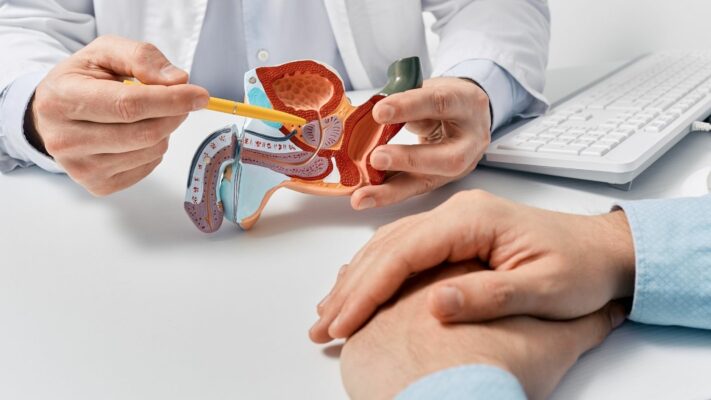
Prostate Problems: Which Doctor or Specialist Should You See?
The medical specialty that men experiencing [...]
Read More
13
Jul
Jul

Premature Ejaculation: Which Doctor Should You See for Treatment?
The first and primary medical specialty [...]
Read More
13
Jul
Jul