
 Türkçe
 Deutsch
 العربية

Urinary tract infection treatment is a holistic approach that includes the selection of appropriate antibiotics directed at the causative microorganism, symptom control, and the prevention of complications. After the diagnosis is confirmed, targeted treatment is planned according to culture results, and the duration of treatment is adjusted based on the clinical picture.
The antibiotics used in the treatment of acute cystitis are determined according to the patient’s age, pregnancy status, and accompanying diseases. Short-term oral antibiotic regimens are effective in most cases and provide rapid relief of symptoms. Avoiding unnecessary antibiotic use is important in preventing the development of resistance.
The management of complicated urinary tract infection requires the evaluation of underlying anatomical or functional disorders. In these cases, longer-term and broad-spectrum antibiotic treatments are preferred. Imaging methods and specialist consultation are planned when necessary.
Strategies for preventing recurrent urinary tract infection include the regulation of hygiene habits, adequate fluid intake, and control of risk factors. Prophylactic antibiotic use may be considered in selected patients. Lifestyle changes are important factors supporting treatment success.
| What You Need to Know | Information |
| Definition | Urinary tract infection (UTI) is the development of a bacterial infection in any part of the urinary system (urethra, bladder, ureters, kidneys). The most common causative agent is Escherichia coli. |
| Purpose of Treatment | It is to eliminate the infection, relieve symptoms, prevent complications (for example pyelonephritis, sepsis), and reduce recurrence. |
| Antibiotic Treatment | It forms the basis of treatment. The appropriate antibiotic is selected according to the culture and antibiogram result. Commonly used agents include nitrofurantoin, fosfomycin trometamol, trimethoprim-sulfamethoxazole, and some cephalosporins. |
| Duration of Treatment | In simple (uncomplicated) cystitis, it usually lasts 3–7 days; in complicated infections and in male patients, it may last 7–14 days. The duration is determined according to the patient’s clinical condition. |
| Urine Culture | It is performed especially in recurrent, complicated, or treatment-resistant cases. It is important for selecting the appropriate antibiotic. |
| Symptomatic Treatment | Plenty of fluid intake is recommended. Appropriate analgesics or urinary tract analgesics may be used for pain and burning. |
| Situations Requiring Hospitalization | Intravenous treatment may be required in cases of high fever, nausea-vomiting, suspicion of kidney infection, UTI developing during pregnancy, immune deficiency, or inability to respond to oral treatment. |
| Treatment During Pregnancy | Antibiotics that are safe during pregnancy are preferred. Treatment must definitely be planned under physician supervision. A follow-up culture is recommended after treatment. |
| UTI in Men | It is generally considered complicated. Underlying prostate infection or structural anomaly should be investigated. The duration of treatment may be longer. |
| UTI in Children | Early diagnosis and treatment are important. In recurrent infections, anomalies such as underlying vesicoureteral reflux are investigated. |
| Recurrent Infections | In infections seen ≥2 times a year, prophylactic antibiotic treatment or evaluation of underlying risk factors may be required. |
| Prevention Methods | Adequate fluid consumption, attention to hygiene rules, not holding urine for a long time, and urinating after sexual intercourse are recommended. |
| Possible Complications | If left untreated, pyelonephritis, kidney damage, sepsis, and risk of preterm birth during pregnancy may develop. |
| Evaluation of Response to Treatment | Symptoms are expected to decrease within 48–72 hours. If no response is obtained, the culture result is reviewed and the treatment is adjusted. |

Prof. Dr. Berkan Reşorlu
Urology Specialist
Urology Specialist
Prof. Dr. Berkan Reşorlu, born in Ankara in 1979, completed his medical education at Ankara University between 1997-2003 and his urology specialization at Ankara University Faculty of Medicine between 2003-2008. Academically, he received the title of associate professor in 2013 and professor in 2022.
He has carried out extensive series studies in the field of endoscopic stone surgery, introduced surgeries applied to children under 1 year of age into the literature, and gained international recognition with his stone scoring system and experimental surgical models.
How Does a Urinary Tract Infection Begin in Our Body?
The excretory system in the human body consists of four basic structures called the kidneys, ureters, bladder, and urethra. Urine produced in the kidneys through the continuous filtration of blood is carried to the bladder, that is, the urinary bladder, through thin tubes called ureters. When the bladder, which has a flexible muscular structure, becomes full, it is expelled from the body through a final channel called the urethra. In a healthy excretory system, the urine itself and all of these pathways it passes through are free of microbes. The one-way and pressurized downward flow of urine is a marvelous system that mechanically washes away and expels microbes trying to enter the channels from the outside. In addition, the inner surface of the bladder is covered with a special protective layer that prevents bacteria from adhering. The body’s immune system is also constantly patrolling this area, programmed to destroy possible threats immediately. However, in some situations, especially bacteria naturally found in the intestinal flora, manage to reach the urethra from the outside due to anatomical proximity. These bacteria begin to climb upward by developing hooks that can resist the washing effect of urine. When they reach the bladder wall and attach tightly to the cells there, they begin to multiply rapidly and establish colonies. When the toxins secreted by the bacteria begin to damage the tissues, the body’s alarm system is activated. Blood flow is rapidly directed to the area, and white blood cells attack the site of infection. The inflammation that occurs as a result of this battle creates swelling, redness, and tension in the tissues. The basis of all the uncomfortable sensations of the disease lies in this physiological battle.
In Which Age Groups and in Whom Is Urinary Tract Infection More Common?
When looking at its prevalence in society and the disease map, it is understood that this disorder shows very clear and sharp differences between genders and age groups. Due to the disadvantages brought by anatomical structure, women are much more vulnerable to these infections than men at every stage of their lives. In women, the channel that carries urine from the bladder to the outside is quite short. Moreover, this outlet point is physically very close to the anus area, where intestinal bacteria are densely present. This short and close distance practically serves as a short highway for bacteria in the external environment to easily reach the bladder. In youth and adulthood, an active lifestyle and various biological factors further increase this risk. According to statistics, a large portion of the female population encounters this condition at least once in their lives, and a significant portion experiences a recurrence of the infection within a short time. In men, however, the situation is somewhat different and age-dependent. In young and middle-aged men, the length of the urinary tract makes it seriously difficult for bacteria to reach upward. Therefore, the occurrence of infection in a young man is usually a sign of another underlying anatomical problem or inflammation related to the prostate. However, as age advances, especially in the elderly age group, it is seen that the picture changes. In elderly men, the prostate gland beginning to enlarge narrows the urinary canal by squeezing it from the outside like a vise. This narrowing prevents urine from being expelled comfortably and causes some urine to remain continuously in the bladder. The rule that stagnant water spoils quickly applies here as well; this urine remaining in the bladder creates a perfect environment for bacteria to settle and multiply rapidly and brings the risk of infection in men to its peak in old age.
What Types of Microorganisms Cause Urinary Tract Infection?
The overwhelming majority of the microorganisms that cause the disease are actually not foreign and unknown threats coming from outside, but familiar bacteria living in our own digestive system and forming our intestinal flora. Normally, these organisms, which help digestion in the intestines and live in peace with the body, take on a disease-causing and aggressive character when they leave the area they belong to and enter the urinary tract. The leading actor in infection cases in all age groups is the bacterium called Escherichia coli. This bacterium has developed evolutionarily tremendous abilities to survive in the urinary tract. Outside its own cell wall, it contains special extensions resembling microscopic hooks. Thanks to these structures, it clings tightly to the cells in the bladder wall as if anchoring, despite the strong flow of urine. After it succeeds in attaching, it multiplies rapidly and tries to evade the defense system. Especially in people with weakened immune systems, those who stay in the hospital for a long time, or patients who have to use a catheter continuously, completely different and much more resistant types of bacteria also come into play. Some of these bacteria have destructive abilities such as changing the chemical structure of the urine, producing ammonia, and making the environment suitable for stone formation. Some fungal species may also be added to the picture of opportunistic infection in individuals who have received antibiotic treatment for a very long time and whose natural protective flora has been completely destroyed.
The main agents causing inflammation in the urinary tract are as follows:
- Escherichia coli
- Klebsiella pneumoniae
- Proteus mirabilis
- Enterococcus species
- Pseudomonas aeruginosa
- Candida species
Contact us now to get detailed information about treatments and to make an appointment!
What Are the Symptoms of Lower and Upper Urinary Tract Infection?
The way the disease manifests itself in the body changes completely depending on which part of the excretory system the inflammation settles in. When the infection remains limited only to the urinary bladder called the bladder, this is called a lower urinary tract infection. This condition progresses with quite disturbing symptoms that seriously reduce the patient’s quality of daily life and confine the person to the toilet. Patients usually feel a sharp burning, stinging, and soreness sensation in the urinary tract like a cut from glass when they go to the toilet. Because the bladder wall is inflamed and overly sensitive, even if a very small amount of urine accumulates inside, it constantly sends very urgent signals to the brain to go to the toilet. The person runs to the toilet with a sense of urgency but can urinate only a few drops. Due to the mixing of inflammatory cells and dead tissues into the urine, the color of the urine becomes cloudy, its odor sharpens, and sometimes bleeding visible to the eye may occur. A constant feeling of fullness, pressure, and pain is experienced in the lower abdominal region, right above the bladder. However, if the infection surpasses the bladder and climbs upward through the channels to the kidneys, the picture becomes much more dangerous. Since the kidneys filter the blood directly, the risk of inflammation here mixing into the blood is very high. Therefore, severe symptoms that shake the entire body occur in upper infections. Especially in elderly and physically weakened individuals, these classic symptoms may not appear at all; instead, suddenly emerging mental confusion, indifference to the surroundings, and a general state of collapse may be the only finding.
The complaints frequently encountered in lower urinary tract infections are as follows:
- Severe burning during urination
- Constant and urgent need to urinate
- Pain in the lower abdomen
- Cloudy-colored urine
- Foul-smelling urine
The prominent complaints seen in upper urinary tract infections are as follows:
- High fever
- Severe chills and shivering
- Sharp pain in the sides of the back
- Nausea
- Vomiting
Which Modern Tests Are Applied for the Diagnosis of Urinary Tract Infection?
In order to create a correct and effective treatment plan, the source of the disease, the degree of its spread, and the relevant microorganism must be determined precisely. This process begins with carefully listening to the person’s complaints and a detailed physical examination. The sudden and sharp tenderness felt by the patient when the area in the back where the kidneys are located is gently tapped provides one of the most important clinical clues as to whether the inflammation has reached the kidneys. A definitive diagnosis is made with laboratory tests. The complete urinalysis performed at the first stage is a basic screening method that gives results in a very short time and proves the presence of inflammation. In this test, it is checked whether the body’s defense cells are present in the urine and whether there are special chemical substances produced by bacteria. However, the truly critical step guiding treatment is the urine culture test. The culture test is the identification of which bacterial species is causing the disease by growing the microbes in the urine in special containers in the laboratory. In this process, not only is the name of the bacterium found, but it is also tested one by one which drugs this bacterium is resistant to. Although advanced technological imaging methods are not needed in every patient, they are mandatory in risky groups. In children, in all men who have had an infection, in those with recurrent complaints, and in febrile kidney infections, it is essential to determine whether there is an underlying structural abnormality. The presence of a hidden stone in the kidneys, a congenital duct stenosis, or a mass preventing the discharge of urine should be investigated.
The main medical methods used in the diagnosis and follow-up process are as follows:
- Complete urinalysis
- Urine culture test
- Urinary system ultrasonography
- Computed tomography
- Contrast kidney and bladder imaging
Why Is Antibiotic Resistance a Critical Problem in the Treatment of Urinary Tract Infection?
In the endless war of the medical world against infections, its greatest weapon to date has been antibiotics. However, microorganisms are extremely intelligent organisms that constantly update themselves to survive and mutate rapidly. Antibiotic resistance means that bacteria produce defense enzymes that will disrupt the structure of drugs specially designed to destroy them or completely prevent the drug from entering through their own cell membranes. The excessive and often unnecessary use of antibiotics for many years in the world and especially in our country, and the discontinuation of doses as soon as improvement is felt, have provided bacteria with a golden opportunity to develop these defense mechanisms. The unconscious use of antibiotics even in diseases caused by simple viruses has caused the beneficial bacteria in our body to develop resistance codes and later transfer these codes to harmful disease-causing bacteria. Today, the effectiveness rate of many basic drugs that were prescribed as the first choice in previous years and gave very rapid results has decreased dramatically. A very large percentage of bacteria show complete resistance to some drug groups. This grave picture increasingly raises the possibility that empirical drug treatments started according to the patient’s complaints before culture test results are available will fail. Doctors now face great difficulties in treating patients with simple oral pill-form drugs and are forced to resort to much heavier antibiotics that can only be administered intravenously in a hospital setting in order to eliminate resistant bacteria. This delays the healing process of patients.
The antibiotic groups experiencing serious resistance problems in clinical use are as follows:
- Ampicillin group drugs
- Trimethoprim-sulfamethoxazole combinations
- Ciprofloxacin derivatives
- Antibiotics containing levofloxacin
- Some generation cephalosporins
Contact us now to get detailed information about treatments and to make an appointment!
How Can Constantly Recurrent Urinary Tract Infection Be Effectively Prevented?
The repeated occurrence of the disease in severe attacks over months is a very exhausting process that turns the person’s psychology, sleep pattern, social life, and work life upside down. Medically, experiencing an infection at least twice within six months or three or more times within a full year is defined as recurrent, that is, constantly recurring infection. The underlying reason for this stubborn condition is usually that the bacteria somehow survive the applied treatments, hide in the deepest layers of the bladder tissue, and begin to multiply again upon the slightest weakening of the immune system. Sometimes, slight differences in the person’s anatomical structure, daily life habits, or age-related hormonal changes leave an open door that continuously facilitates the entry of new bacteria into the system from outside. In order to break this difficult vicious cycle, simply taking handfuls of antibiotics in every attack can definitely not be a permanent solution; radical lifestyle changes and long-term preventive medicine strategies must come into play. A marked increase in daily clean water consumption is the most basic step that can be taken to continuously wash the urinary tract like a strong stream and prevent bacteria from having the opportunity to cling to the surface. The habit of holding urine for a long time must definitely be abandoned, and the bladder should be emptied completely at regular intervals. In women who have passed the menopause period, the dramatic decrease in the estrogen hormone in the body causes the vaginal tissues to weaken and thin and the protective beneficial bacteria that keep the environment acidic to disappear completely. When this chemical defense line collapses, intestinal bacteria rapidly invade the area. In individuals in this group, special hormone creams applied directly to that area allow the tissues to regain their former youth and natural resistance, reducing the frequency of attacks by an incredible rate. In addition, in those who experience very frequent attacks, immune-strengthening agents taken orally, which train the immune system specifically against certain bacteria like a vaccine, also create a very important wall of protection.
The vital daily precautions that can be taken are as follows:
- Drinking plenty of water
- Urinating without delaying
- Always cleaning from front to back
- Urinating immediately after sexual intercourse
- Using only cotton underwear
What Kind of Vicious Cycle Exists Between Kidney Stones and Urinary Tract Infection?
Kidney stones and inflammatory conditions are the two most dangerous basic diseases of the urinary system that help each other the most and constantly feed each other by enlarging one another. A hard piece of stone physically present in the system acts like a barrier that mechanically slows down or completely blocks the normal and rapid flow of urine in that area. The urine that pools immediately behind this obstruction, cannot move, and cannot be expelled turns into a warm and nutrient-rich perfect pool for bacteria to divide and multiply uncontrollably without any difficulty. The even bigger problem is hidden in the physical structure of the stone; although the surface of these stones appears smooth from the outside, when examined at the microscopic level, they contain countless cracks, deep pits, and caves. Disease-causing bacteria enter deep into these pits and build invincible castles for themselves. Even if you administer the strongest and newest generation antibiotics to the patient intravenously, the chemical drugs cannot reach these microchambers inside the stone and clean the inside. When the treatment period ends, opportunistic bacteria emerging from their hidden nests in the heart of the stone multiply rapidly again and restart an even more severe infection. On the other and much more surprising side of the story, there are special types of stones that form directly as a result of the chemical activity of bacteria. Especially some capable bacteria secrete very strong enzymes that break down waste substances in the urine. As a result of this enzymatic reaction, the natural balance of the urine is completely disrupted and intense ammonia production begins. This changed toxic chemical environment prepares the ground for the minerals in the urine to rapidly crystallize and precipitate and for the formation of very specific stones that we call infection stones. These stones can branch and grow like the antlers of a deer over months, completely filling the entire inner volume of the kidney and rendering the organ nonfunctional. The only golden rule in medicine to escape this spiral is to provide complete cleaning so that not a single grain of sand remains inside. Otherwise, the nest of microbes does not disappear.
Which Surgical Methods Are Used to Treat Urinary Tract Infection Related to Stones?
In past years, open surgeries were performed to remove stones from the depths of the kidneys, creating very large wounds in the patients’ bodies where muscles were cut, and the hospital stay and recovery period lasted for weeks. Today, however, thanks to the dizzying point reached by medical technology, closed surgical methods that cause the least harm to the body and allow the patient to get up the next day have become the standard practice of medicine. The main aim of these operations is to completely clear all stones inside the kidney and, along with them, the source of infection they harbor, without damaging the kidney tissue. Especially in the treatment of complex stones that completely fill the kidney and have reached gigantic sizes, the current method is surgeries performed by opening a very thin tunnel from the patient’s back to the kidney. Through a hole only as thick as a pencil, special camera-equipped and illuminated instruments are inserted into the very heart of the kidney, giant stones are broken into smaller pieces inside with powerful devices, and removed piece by piece. For smaller stones or stones that have fallen into the lower chambers of the kidney, there is no need at all to make any incision or hole in the human body. Instruments as thin as a strand of hair, flexible, and equipped with high-resolution cameras at their tips are inserted through the natural and curved channels through which urine is expelled and advanced up to the stone. Using laser technology, the stone is dissolved until it becomes a fine dust cloud that can easily pass out spontaneously with the urine. In some cases where the infection is under control and the stone is not very hard, the stones can even be broken without entering the operating room by means of sound waves from outside the body. However, in infected cases, the risk of stone fragments obstructing the path is very high, so the choice of method must be made by the physician with great care.
The modern stone treatments applied today are as follows:
- Closed stone surgery performed through the back
- Laser dusting through the urinary canal
- Focused sound waves from outside the body
- Duct corrections with robotic surgery
How Do Prostate Enlargement and Neurological Diseases Trigger Urinary Tract Infection?
The enlargement of the prostate gland over the years, which is a physiological and inevitable part of male aging, creates a serious and gradually increasing narrowing right at the exit gate of the full bladder. The enlarged prostate tissue compresses the urinary canal passing through it by wrapping it tightly from the outside like a corset. To overcome this structural obstruction and propel urine outward, the bladder muscle has to produce pressure and exert effort much above normal each time. Over time, just as the muscles of an athlete who constantly lifts heavy weights thicken, the bladder wall also thickens abnormally, loses its natural flexibility, and eventually becomes completely fatigued and enters a process of failure. At the end of this process, even if the patient waits for minutes and strains, they cannot empty the bladder, and a pool of stale urine that cannot be expelled always remains inside. This condition acts as a warm and sheltered incubator for bacteria to multiply easily. If continuously recurrent and febrile infections have begun to be seen in an elderly patient with prostate enlargement, this picture is now a very clear medical necessity showing that the stage that can be treated only by swallowing medicine has long passed and that the urinary tract must be permanently opened by shaving the prostate with closed laser or cutting methods. On the other hand, as a result of spinal cord injuries, brain hemorrhage, stroke, or neurological diseases, the complex electrical communication of the brain with the bladder is completely severed. The bladder either loses its ability to contract and turns into a giant reservoir that cannot empty at all, or it remains constantly involuntarily contracted and dangerously pumps urine back toward the kidneys. Since individuals in this condition cannot empty their bladders naturally, they have to remove their own urine several times a day using clean tubes. Indwelling catheters left in place for a long time in the hospital environment and not changed are very dangerous foreign bodies on which microbes form impenetrable armor and that continuously pump bacteria into the body.
The main anatomical problems that prepare the ground for infections are as follows:
- Advanced prostate enlargement
- Spinal cord and nervous system damage
- Congenital urinary canal strictures
- Long-term urinary catheter use
- Reflux of urine back to the kidneys
Blog Posts

Genital Warts: Which Doctor or Department Should You See?
When genital warts are noticed, the [...]
Read More
13
Jul
Jul

Urinary Tract Infection (UTI): Which Doctor or Department Should You Visit?
The department patients experiencing urinary tract [...]
Read More
13
Jul
Jul
Kidney Stones: Which Doctor or Specialist Should You See?
The primary specialty that patients with [...]
Read More
13
Jul
Jul
Kidney Diseases: Which Doctor or Department Should You See?
The primary medical specialty that patients [...]
Read More
13
Jul
Jul
Sexually Transmitted Diseases (STDs): Which Doctor Should You See?
The answer to the question of [...]
Read More
13
Jul
Jul
Kidney Cysts: Which Doctor or Department Should You See?
The primary medical specialties that patients [...]
Read More
13
Jul
Jul
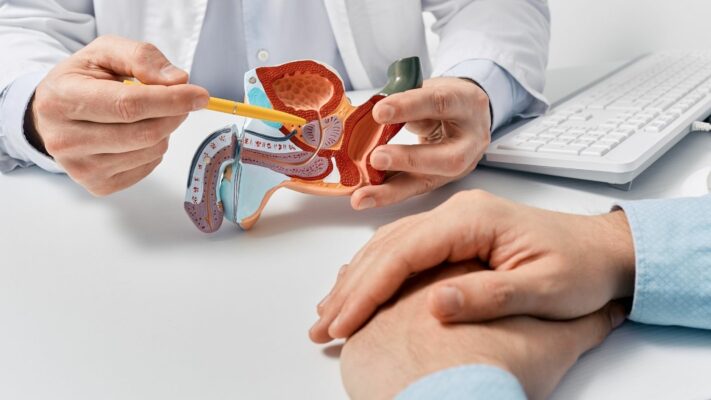
Prostate Problems: Which Doctor or Specialist Should You See?
The medical specialty that men experiencing [...]
Read More
13
Jul
Jul

Premature Ejaculation: Which Doctor Should You See for Treatment?
The first and primary medical specialty [...]
Read More
13
Jul
Jul