
 Türkçe
 Deutsch
 العربية

Interstitial cystitis treatment is a multifaceted approach aimed at reducing the symptoms of this condition characterized by chronic inflammation and sensitivity of the bladder wall and improving quality of life. The treatment process is individualized and planned according to the severity of the disease.
Interstitial cystitis medication therapy aims to control pain and reduce bladder inflammation. Agents such as antihistamines, tricyclic antidepressants, and pentosan polysulfate are used to alleviate symptoms. Regular follow-up during the treatment process is important for clinical success.
Bladder instillation therapy aims to strengthen the mucosal barrier with solutions applied directly into the bladder. Applications containing dimethyl sulfoxide and heparin contribute to symptom control by reducing bladder irritation and are preferred in treatment-resistant cases.
Lifestyle changes and dietary adjustments play a complementary role in the management of interstitial cystitis. Avoiding acidic and irritating foods, stress management, and pelvic floor physiotherapy help control symptoms and support long-term treatment success.
| What You Need to Know | Information |
| Purpose of Treatment | The main purpose of interstitial cystitis (Painful Bladder Syndrome) treatment is to reduce bladder pain, control urinary frequency and urgency, and improve quality of life. There is no definitive cure for the disease; treatment is aimed at symptom control and is individualized. |
| Treatment Approach | Treatment is generally stepwise. Conservative methods are applied first, and if no response is obtained, medical and interventional treatments are initiated. In most patients, a combination of more than one method is required. |
| Lifestyle Changes | Restriction of foods that irritate the bladder (caffeine, alcohol, carbonated drinks, spicy foods), stress management, regular sleep, and balancing fluid intake are recommended. Keeping a symptom diary helps identify triggers. |
| Bladder Training | Planned extension of urination intervals is targeted. It may help increase bladder capacity and reduce frequent urination complaints. |
| Pelvic Floor Physiotherapy | In patients with accompanying pelvic floor muscle spasm, manual therapy, relaxation exercises, and biofeedback applications can reduce pain and urinary symptoms. |
| Oral Medications | Amitriptyline (reduces pain and bladder sensitivity), pentosan polysulfate sodium (aims to protect the bladder mucosa), antihistamines (may reduce mast cell activity), analgesics, and in some cases neuromodulator drugs may be used. |
| Intravesical (Bladder) Treatments | Agents such as heparin, lidocaine, dimethyl sulfoxide (DMSO), or hyaluronic acid applied directly into the bladder aim to protect the bladder wall and reduce inflammation. They are administered at certain intervals. |
| Hydrodistension | It is the controlled expansion of the bladder with fluid under general anesthesia. It can be diagnostic and therapeutic. It provides temporary symptom relief in some patients. |
| Botulinum Toxin Application | Pain and frequent urination complaints can be reduced by injecting botulinum toxin into the bladder wall. Its effect is temporary and can be repeated at certain intervals. |
| Neuromodulation | Bladder nerve transmission is regulated with methods such as sacral nerve stimulation or tibial nerve stimulation. It may be preferred in resistant cases. |
| Surgical Treatment | It is considered in very rare and resistant cases. Major surgeries such as increasing bladder capacity (augmentation cystoplasty) or removal of the bladder are applied as a last resort. |
| Psychological Support | Due to chronic pain and its effects on quality of life, psychological support, cognitive behavioral therapy, and stress management may contribute to treatment. |
| Treatment Duration and Follow-up | Treatment requires long-term and regular follow-up. The treatment plan is updated according to the severity of symptoms. Complete recovery is rare, but significant symptom control can be achieved with appropriate treatment. |

Prof. Dr. Berkan Reşorlu
Urology Specialist
Urology Specialist
Prof. Dr. Berkan Reşorlu, born in Ankara in 1979, completed his medical education at Ankara University between 1997-2003 and his urology specialization at Ankara University Faculty of Medicine between 2003-2008. Academically, he received the title of associate professor in 2013 and professor in 2022.
He has carried out extensive series studies in the field of endoscopic stone surgery, introduced surgeries applied to children under 1 year of age into the literature, and gained international recognition with his stone scoring system and experimental surgical models.
What Is Interstitial Cystitis and Painful Bladder Syndrome Actually?
In urology practice, this disease has been referred to by different names and defined in various ways for decades. This complexity in the nature of the disease actually stems from how individualized and variable the condition is. The disease is essentially a condition in which the urinary bladder (bladder) becomes chronically sensitive and cannot perform its normal functions without pain. In a healthy individual, the bladder fills slowly with urine like a flexible balloon and sends only a mild signal to the brain to go to the toilet when it reaches a certain capacity. However, in individuals suffering from this syndrome, even a very small amount of urine filling the bladder severely stimulates nerve endings and turns into unbearable pain and an urgent need to urinate.
Respected urology organizations in Europe and America have introduced certain duration criteria when defining this syndrome. Some organizations argue that this pain and discomfort in the pelvic region, thought to originate from the bladder, must last at least six months, while others state that a period of six weeks is sufficient to make the diagnosis. Regardless of the duration, the main focus is that the patient’s complaints cannot be attributed to another obvious disease. Since this disease does not present with a visible wound or a clear abnormality in blood tests, it also brings a significant emotional burden of not being understood by those around the patient. While people may appear completely healthy from the outside, they have to struggle internally with a constant search for a toilet and a burning sensation in the pelvic region.
What Causes Painful Bladder Syndrome?
When delving into the origin of the disease, unfortunately, it is not possible to find a single and definitive culprit. Modern medicine has developed various theories to explain the mechanisms underlying this problem. These theories help us understand the chain of cellular errors that lead to the onset of the disease in the body.
The main accepted theories are as follows:
- Glycosaminoglycan layer defect
- Overactivation of mast cells
- Neurogenic inflammation and nerve sensitization
- Autoimmunity and immune system response
- Pelvic floor muscle dysfunction
The inner surface of the bladder is covered with a highly resistant, slippery barrier that prevents acids and toxic waste substances in the urine from leaking into deeper tissues. This barrier is called the glycosaminoglycan layer. You can think of this layer like the non-stick coating on a Teflon pan. In individuals with this syndrome, this protective coating becomes thinner, weakens, or partially sheds. Substances such as potassium in the urine seep through these cracks and come into direct contact with the bladder muscles and nerves. This creates a constant sensation of chemical burning.
Another important factor is the excessive response of the immune system at the cellular level. Mast cells located in the bladder wall, which are normally responsible for protecting the body, enter an alarm state for an unknown reason. These cells continuously release histamine and similar inflammatory substances as if there were a microbe present. This leads to swelling (edema) in the bladder wall, dilation of blood vessels, and the tissue remaining constantly red and sensitive. Over time, the nerve endings in this area become so stimulated that the brain begins to perceive even a normal touch or stretching sensation as severe pain. This condition, in which the brain and nervous system permanently change the way they perceive pain, is called central sensitization. In addition, it is thought that a previously experienced severe urinary tract infection may trigger a permanent immune system reaction in the bladder even after the bacteria have been eliminated from the body, paving the way for this syndrome.
Which Risk Factors Affect the Development of Interstitial Cystitis?
When looking at who is more prone to this condition in society, it is seen that certain groups stand out. Although the disease can occur at any age and in any gender, statistical data paints a very clear picture.
The main risk factors are as follows:
- Female gender
- Between the ages of thirty and fifty
- Genetic and ethnic predisposition
- Presence of irritable bowel syndrome
- History of fibromyalgia
According to statistics, this disease is much more common in women than in men; the vast majority of patients are women. The shorter urinary tract (urethra) in female anatomy, the close proximity of organs in the pelvic region, and the lifelong hormonal fluctuations affecting the inner surface of the bladder may explain this situation. The age range in which the disease is most commonly diagnosed is in the thirties and forties. However, many patients realize that although the diagnosis is made at these ages, the first mild symptoms actually began in their twenties when they look back.
In men, the situation is somewhat different and misleading. When male patients develop this syndrome, they usually feel pain in the testicles, perineal region, and groin. These complaints are almost identical to the symptoms of chronic prostatitis. For this reason, many male patients who actually have painful bladder syndrome are treated for years with a diagnosis of prostate inflammation and naturally do not get results. In addition, this disease does not like to exist alone in the body. In individuals who have other chronic pain conditions such as fibromyalgia, characterized by widespread muscle pain, or irritable bowel syndrome, which causes constant digestive problems, the likelihood of bladder complaints occurring is much higher. This suggests that the problem may have a common origin involving the nervous and immune systems of the entire body, not just the bladder.
Contact us now to get detailed information about treatments and to make an appointment!
What Symptoms Are Seen in Patients with Painful Bladder Syndrome?
The clinical picture of this condition can vary greatly from person to person. Even in the same individual, the disease may remain completely silent in some months, while severe flare-ups may occur in certain weeks.
The most common symptoms are as follows:
- Pain felt in the pelvic region
- Frequent urination during the day
- Waking up at night to urinate
- Urgency to urinate
- Painful sexual intercourse
Pelvic pain is the cornerstone of the disease. This pain can spread from below the navel to the genital organs, groin, and even the lower back region. It can be described as throbbing, stinging, piercing, or a burning sensation. The most typical feature of the pain is that it gradually increases in intensity as the bladder begins to fill with urine. When the person goes to the toilet and empties the bladder, there is a short-term, temporary relief in this pain; however, as the bladder begins to fill again, the nightmare starts over.
Frequent urination in these patients can reach unimaginable levels. While a healthy person goes to the toilet on average seven or eight times a day, in severe cases this number can rise to incredible figures such as sixty or seventy times a day. The more exhausting part is that this does not stop at night. A body that wakes up ten or fifteen times during the night due to the need to urinate cannot rest, renew itself, or start the next day with a healthy psychology. The sense of urgency is also different from normal urgency. Normally, people can hold or delay urination when needed. However, in these patients, holding urine causes indescribable pain in the bladder wall, so the person runs to the toilet in panic not because they fear leakage, but because they fear pain. Sexual life is also severely affected by this condition. Physical contact during intercourse triggers the already irritated and sensitive bladder base, turning sexual intercourse into an extremely painful ordeal.
Which Triggers Exacerbate Interstitial Cystitis Symptoms?
Some external factors encountered in daily life and certain foods consumed by patients can fuel the inflammation in the bladder and cause symptoms to suddenly worsen. Although these triggers vary from person to person, there are some common culprits:
The most well-known triggering factors are as follows:
- Acidic fruits
- Caffeinated beverages
- Alcohol and fermented products
- Spicy and hot foods
- Artificial sweeteners
- Intense psychological stress
- Hormonal fluctuations
Nutrition has a huge impact on the course of the disease. Acidic fruits such as lemons, oranges, and tangerines, and foods containing tomatoes and tomato paste increase the acidity of the urine. This acidic urine, which comes into contact with the bladder wall whose protective layer has weakened, creates the same effect as pouring salt on an open wound. Caffeine found in coffee, black tea, green tea, and energy drinks both increases the amount of urine and directly stimulates the bladder muscles, causing spasms.
The stress factor should never be overlooked. When the body is under intense stress or sadness, it activates the fight-or-flight response, the nervous system becomes tense, and the muscles in the body, especially the pelvic floor muscles, contract involuntarily. This constant contraction in the pelvic region causes the already sensitive bladder to be compressed further and the pain to increase. As the pain increases, the patient becomes more stressed, and thus a vicious cycle that is very difficult to break begins. In female patients, it is very common for symptoms to peak during certain periods of the menstrual cycle, especially in the days just before bleeding begins, due to hormonal changes.
How Do Diagnostic Approaches Progress for Painful Bladder Syndrome?
The diagnostic process of this disease is unfortunately one of the most challenging and exhausting journeys in the medical world. The main reason for this is the absence of a miraculous blood test or imaging method that can immediately reveal the disease. The diagnosis is made by exclusion. That is, all other possible dangerous or common diseases that could cause the patient’s complaints must be ruled out one by one, leaving only this syndrome.
Until they receive a diagnosis, patients usually visit doctor after doctor, hospital after hospital. According to data, it takes an average patient between two and four and a half years to receive the correct diagnosis. The scenario experienced during this process is usually always the same. The patient presents to the emergency department or outpatient clinic with complaints of burning and frequent urination. Since the symptoms resemble a typical urinary tract infection, an antibiotic is immediately prescribed. Because some antibiotics have mild pain-relieving and anti-inflammatory side effects, the patient feels somewhat relieved while taking the medication, but on the day the box is finished, the symptoms return in full force. Even if urine tests are clean, “hidden infection” is assumed and different groups of antibiotics are tried for months. This situation both causes the body to develop antibiotic resistance and shatters the patient’s psychology. The fear of “Do I have a serious disease that cannot be found?” takes hold of the patient. For this reason, in a patient presenting with chronic pelvic pain complaints, after infection is ruled out, suspecting this syndrome without delay is the first and most vital step of correct management.
Which Tests Are Used in the Diagnosis of Interstitial Cystitis?
During the diagnostic process, a series of medical tests are used to understand the severity of the condition and eliminate other diseases. When combined with the patient’s history, these tests reveal a clear map.
The main diagnostic tools used are as follows:
- Detailed bladder diaries
- Urinalysis and culture
- Urine cytology examination
- Urodynamic tests
- Cystoscopy procedure
The patient is asked to write down how much fluid they drink, what time they go to the toilet, and how much urine they produce for several days. This bladder diary shows how objective the patient’s complaints are. Urinalysis and culture are essential to prove whether there is a real bacterial infection. In older patients or smokers, urine cytology, in which the cells in the urine are examined under a microscope, is very important to avoid missing bladder cancer, which can cause similar complaints.
The urodynamic test measures the contraction and storage functions of the bladder with a computerized system. In this test, it is observed that the bladder begins to contract even at very small volumes. The method considered the true gold standard in diagnosis is cystoscopy performed under general anesthesia. In this procedure, the inside of the bladder is observed by entering through the urinary tract with a thin instrument equipped with a light and camera at the tip. In the same session, a procedure called hydrodistension is performed; the bladder is thoroughly inflated and stretched with a pressurized special fluid. If waterfall-like pinpoint bleeding (glomerulations) or directly crack-like lesions (Hunner ulcers) are seen in the bladder wall during this stretching, the diagnosis is confirmed.
Contact us now to get detailed information about treatments and to make an appointment!
What Are the First Steps in the Clinical Management of Painful Bladder Syndrome?
Once the diagnosis is confirmed, the treatment process begins. It must be accepted from the outset that this process is not curative, meaning it does not eliminate the disease with a single step, and that the goal is to regain quality of life by controlling symptoms. The treatment algorithm always progresses stepwise, starting with the least risky approach and moving toward more complex ones.
The first-line treatments are as follows:
- Elimination diet application
- Bladder training programs
- Stress reduction methods
- Pelvic floor physiotherapy
The first stage of treatment is entirely related to changing the patient’s daily habits. With the elimination diet, all foods that may potentially irritate the bladder are removed from the menu. As the patient feels better, these foods are gradually reintroduced one by one and in small amounts to identify the actual trigger food. Bladder training is a kind of patience exercise. Instead of immediately rushing to the toilet when the urge arises, the patient is asked to wait for five minutes at first, then ten minutes. The aim is to gradually increase the capacity of the bladder, which has shrunk and become accustomed to constant contraction, by stretching it.
Since the disease causes severe and persistent spasms in the pelvic floor muscles, manual muscle relaxation techniques applied by specially trained physiotherapists can create remarkable improvements. Relaxation of the muscles increases blood flow in the region and removes pressure on the nerves. In addition, practicing yoga, meditation, or receiving professional psychological support is extremely critical for managing pain perception.
Which Oral Medications Are Preferred in the Treatment of Interstitial Cystitis?
When behavioral changes and diet do not provide sufficient relief, various oral medications are introduced to intervene in the body’s internal balance. These medications act by targeting different mechanisms of the disease.
Commonly used oral medication groups are as follows:
- Glycosaminoglycan repair agents
- Low-dose antidepressants
- Mast cell stabilizers
- Special analgesics
Glycosaminoglycan repair agents (pentosan polysulfate sodium) are among the rare molecules approved directly for this disease in the medical world. Their main purpose is to repair at the cellular level the protective Teflon-like layer in the bladder wall that has been damaged. The disadvantage of the drug is that its effect begins very late; it may take up to six months for patients to see benefits.
Another important group frequently used in treatment is tricyclic antidepressants. The purpose of using antidepressants here is not to treat the patient’s depression. When used in very low doses, these drugs slow down the pain transmission pathways in the brain and spinal cord and reduce the sensitivity of nerve endings. They also slightly relax the bladder muscles, increase capacity, and especially give patients the opportunity to sleep uninterrupted throughout the night. Mast cell stabilizing antihistamines suppress the allergic and inflammatory reaction in the bladder and reduce edema.
How Are Intravesical Drug Applications Performed for Painful Bladder Syndrome?
In cases where oral treatments are insufficient or the patient cannot tolerate systemic side effects, a local treatment method that directly targets the source of the problem is applied. This method is called bladder instillation or, in common usage, bladder vaccine.
The components used in instillation solutions are as follows:
- Hyaluronic acid solution
- Chondroitin sulfate solution
- Liquid heparin preparations
- Local anesthetic substances
- Sodium bicarbonate
The logic of this treatment is to bypass the stomach, liver, and blood circulation and apply the drug directly to the diseased tissue, that is, the bladder wall, at a very high concentration. The procedure is performed in a clinical setting with the help of a very thin, flexible, and sterile catheter inserted through the urinary tract. The prepared special drug mixture is injected into the bladder, and the catheter is removed. The patient is asked to hold this fluid in the bladder for at least half an hour, ideally one hour, so that the tissues can absorb the medication.
During flare-up periods, a special mixture called Parsons cocktail is used to immediately relieve severe pain crises. The local anesthetic (lidocaine) in this mixture numbs the nerves in the bladder, just like a dentist numbs a tooth, and relieves the pain within seconds. Heparin coats the bladder wall like a thin film layer and protects it from urine acidity. Sodium bicarbonate helps the medication penetrate the tissue more effectively. For long-term repair, hyaluronic acid and chondroitin sulfate solutions, which are found in the natural structure of the bladder, are administered in weekly sessions to allow the bladder to regenerate itself.
What Are the Surgical and Interventional Methods in Interstitial Cystitis Cases?
When the disease follows a more aggressive course and other treatments do not work, more interventional, device-based, or surgical procedures are considered.
The main interventional methods applied are as follows:
- Hydrodistension under general anesthesia
- Cauterization of Hunner ulcers
- Botox injection into the bladder wall
- Sacral nerve stimulation
- Bladder enlargement surgeries
- Surgical removal of the bladder
The bladder distension (hydrodistension) procedure mentioned in the diagnosis section is also a powerful treatment. The physical stretching of the bladder causes microscopic damage to the nerve endings transmitting pain in that area and creates a kind of temporary paralysis. In this way, a significant portion of patients are relieved from pain for months. If classic Hunner ulcers are detected in the bladder during cystoscopy, this can even be seen as an advantage; because superficial cauterization of these lesions with electrical energy or laser provides very dramatic and immediate improvement.
In excessively active and constantly contracting bladders, Botox injections can be applied endoscopically. Botox, which freezes facial muscles in cosmetics, paralyzes the bladder muscles here and eliminates the constant feeling of urgency. Sacral nerve stimulation is a type of bladder pacemaker placed in the area where the nerves leading from the spinal cord to the bladder are located. The device sends mild electrical stimuli to the nerves, correcting faulty pain and urgency signals. Beyond all these, in bladders that have not been treated for years and have lost their capacity and flexibility (fibrotic), surgery may be necessary. Enlargement of the bladder with a piece taken from the intestine or, as a last resort, complete removal of the bladder and connecting the urinary tract to an external pouch on the abdomen are radical procedures considered only in patients whose lives have become completely unmanageable.
How Should Daily Life Be Regulated During the Clinical Management of Painful Bladder Syndrome?
The success of clinical treatments is directly related to how the patient manages life outside medical institutions. Small and simple precautions taken in daily life play a major role in preventing attacks.
The points to be considered are as follows:
- Cotton and loose clothing
- Proper personal hygiene habits
- Regular bowel movements
- Sexual life adjustments
Clothing selection is very important. Tight pants, thick belts that compress the pelvic area, or synthetic underwear negatively affect blood circulation in the lower abdomen and exert external physical pressure on the bladder. Cotton and comfortable clothing should be preferred. In genital hygiene, aggressive soaps with disrupted acidic balance, perfumed daily pads, or irritating chemicals should not be used; only clean water or appropriate medical cleansing products are sufficient.
Intestinal health is the twin brother of bladder health. In a person with chronic constipation, the filled and hardened last part of the intestine presses against the bladder located just in front of it and exerts constant pressure. Therefore, it is essential to consume fiber-rich foods and maintain bowel regularity. To protect sexual life, emptying the bladder immediately before and after physical intercourse to prevent urine from remaining inside, and applying a warm or cold compress to the lower abdomen after intercourse to relax the muscles will greatly prevent the onset of pain
Blog Posts

Genital Warts: Which Doctor or Department Should You See?
When genital warts are noticed, the [...]
Read More
13
Jul
Jul
Urinary Tract Infection (UTI): Which Doctor or Department Should You Visit?
The department patients experiencing urinary tract [...]
Read More
13
Jul
Jul
Kidney Stones: Which Doctor or Specialist Should You See?
The primary specialty that patients with [...]
Read More
13
Jul
Jul
Kidney Diseases: Which Doctor or Department Should You See?
The primary medical specialty that patients [...]
Read More
13
Jul
Jul
Sexually Transmitted Diseases (STDs): Which Doctor Should You See?
The answer to the question of [...]
Read More
13
Jul
Jul
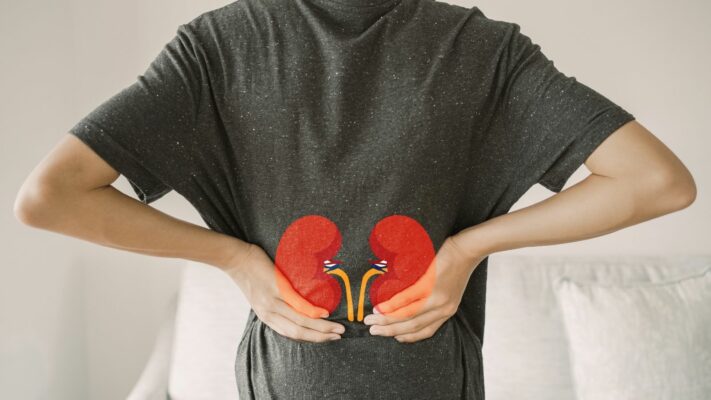
Kidney Cysts: Which Doctor or Department Should You See?
The primary medical specialties that patients [...]
Read More
13
Jul
Jul
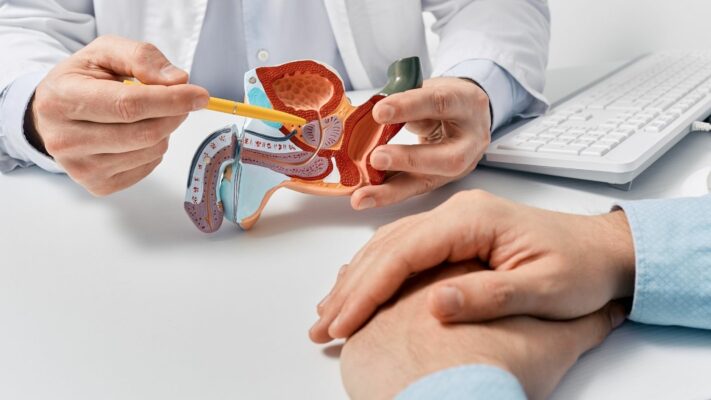
Prostate Problems: Which Doctor or Specialist Should You See?
The medical specialty that men experiencing [...]
Read More
13
Jul
Jul

Premature Ejaculation: Which Doctor Should You See for Treatment?
The first and primary medical specialty [...]
Read More
13
Jul
Jul