
 Türkçe
 Deutsch
 العربية

Neurogenic bladder treatment is a multifaceted approach aimed at bringing bladder dysfunction caused by the nervous system under control and restoring the balance between urine storage and emptying. The treatment plan is individualized according to the underlying neurological disease, the severity of symptoms, and the patient’s functional status.
Among the treatment methods for neurogenic bladder, behavioral training, bladder training, and intermittent catheterization are among the main approaches. These methods aim to protect kidney functions and reduce the risk of urinary incontinence by regulating bladder pressure, and their effectiveness is evaluated through regular follow-up.
As part of neurogenic bladder drug treatment, anticholinergics, beta-3 agonists, and in some cases muscle relaxants are used. These pharmacological agents increase storage capacity and improve symptom control by suppressing detrusor overactivity, and the dose is adjusted according to the side effect profile.
Neurogenic bladder surgical treatment options come to the agenda in cases where conservative methods are insufficient and include interventions such as botulinum toxin injection, augmentation cystoplasty, or neuromodulation. These procedures aim to improve quality of life and reduce the risk of complications.
| What You Need to Know | Information |
| Purpose of Treatment | It is to regulate bladder storage and emptying functions, prevent urinary incontinence, protect kidney functions, and improve the patient’s quality of life. |
| Determining the Treatment Approach | Treatment is planned according to the type of underlying neurological disease, bladder pressure level, presence of urinary incontinence, kidney functions, and the patient’s general condition. |
| Behavioral Treatment | Timed voiding (going to the toilet at certain intervals), fluid intake regulation, and bladder training can be applied. It plays a supportive role in mild cases. |
| Pelvic Floor Exercises | Applied for the purpose of strengthening the pelvic muscles. It is especially beneficial in patients whose sphincter control is partially preserved. |
| Clean Intermittent Catheterization (CIC) | It is the use of a sterile catheter at certain intervals for regular and complete emptying of the bladder. It is the main treatment method in high-pressure or incompletely emptying bladders. |
| Continuous Catheter Application | It can be applied when long-term bladder emptying is required. Careful follow-up is necessary due to the risk of infection and complications. |
| Anticholinergic Drugs | They increase capacity and reduce urinary incontinence by reducing bladder contractions. Side effects such as dry mouth and constipation may occur. |
| Beta-3 Adrenergic Agonists | They increase storage capacity by enhancing bladder relaxation. They can be used as an alternative or adjunct treatment to anticholinergics. |
| Alpha Blockers | They facilitate urine flow by reducing bladder outlet resistance. They are especially preferred in patients with sphincter spasm. |
| Botulinum Toxin Injection | Excessive contractions are reduced by injection applied to the bladder muscle. Its effect is temporary and may be repeated at certain intervals. |
| Neuromodulation | Bladder nerve transmission is regulated through methods such as sacral nerve stimulation. It is applied in selected patients. |
| Surgical Treatment | In cases that do not respond to medication and catheter treatment, surgical methods such as bladder enlargement (augmentation cystoplasty) or urinary diversion may be applied. |
| Infection Control | Urinary tract infections are tried to be prevented with regular follow-up and appropriate hygiene measures. |
| Monitoring Kidney Functions | Since high bladder pressure may lead to kidney damage, regular ultrasound and laboratory check-ups are necessary. |
| Multidisciplinary Approach | Joint evaluation by urology, neurology, and when necessary physical therapy specialists increases treatment success. |

Prof. Dr. Berkan Reşorlu
Urology Specialist
Urology Specialist
Prof. Dr. Berkan Reşorlu, born in Ankara in 1979, completed his medical education at Ankara University between 1997-2003 and his urology specialization at Ankara University Faculty of Medicine between 2003-2008. Academically, he received the title of associate professor in 2013 and professor in 2022.
He has carried out extensive series studies in the field of endoscopic stone surgery, introduced surgeries applied to children under 1 year of age into the literature, and gained international recognition with his stone scoring system and experimental surgical models.
What Is Neurogenic Bladder Disease and How Does It Develop?
The urinary bladder in the human body is like a balloon made of structurally flexible muscles and tasked with storing urine. In the lower part of the bladder, there are sphincter muscles that allow us to hold urine and act like a tap. For this system to function properly, the muscles need to know when to relax and when to contract. This exchange of information takes place thanks to a vast neural network that starts in the brain, extends along the spinal cord, and from there spreads to the organs within the pelvis. If a disconnection, injury, or disease occurs at any point in this communication network, the bladder becomes unable to receive commands from the brain. A bladder that cannot receive commands either remains completely inactive and cannot empty urine, or it contracts excessively on its own outside the brain’s control and begins to cause constant urinary leakage. The full range of these dysfunctions is medically called neurogenic bladder.
What Are the Main Diseases That Lead to the Development of Neurogenic Bladder?
The condition of neurogenic bladder is generally not a problem that appears on its own, but the direct result of another underlying disease affecting the nervous system or a physical injury. The main diseases and conditions that pave the way for the development of neurogenic bladder are as follows:
- Multiple Sclerosis (MS)
- Spinal cord injuries
- Stroke and paralysis conditions
- Parkinson’s disease
- Advanced uncontrolled diabetes
- Brain tumors
- Spinal cord tumors
- Advanced herniated discs in the lower back
- Major surgical operations involving the pelvic region
- Spina bifida seen in children
How Should the Healthy Urinary System Work in Neurogenic Bladder Cases?
A healthy urination cycle depends on the tremendous harmony of different nervous systems in our body working together. Although this process appears simple from the outside, it requires great coordination inside. During the storage phase, the bladder muscle remains completely relaxed, while the muscles closing the urinary tract are tightly contracted. In this way, urine is safely retained inside. When the bladder fills, the stretch sensors in its wall send a message to our brain saying “the reservoir is filling.” The main control center in the brainstem evaluates whether the social setting is appropriate for going to the toilet. If the setting is suitable, the brain sends a command downward; while the bladder muscle begins to contract strongly, the sphincter muscle acting as a valve relaxes within the same second and urine is comfortably expelled. In patients with neurogenic bladder, however, this flawless communication and timing completely disappear.
In Which Areas Can Nerve Damage Occur in Neurogenic Bladder?
The nervous system in our body is broadly divided into three main regions: the brain, the spinal cord, and the peripheral nerves. Damage to the neural network controlling the bladder in any of these three regions is sufficient for neurogenic bladder to develop. Where the damage occurs completely changes the course of the disease, the severity of symptoms, and the type of treatment to be applied. Damage at the brain level eliminates the urine retention reflex, while a lesion in the spinal cord may cause bladder pressure to reach dangerous levels. Peripheral nerve injuries at lower levels may completely eliminate the bladder’s ability to contract.
How Does Damage in the Brain Region Affect the Functioning of Neurogenic Bladder?
The brain region is the high-level control center that allows us to postpone urination until a socially appropriate time. When this region is damaged due to causes such as stroke, Parkinson’s disease, Alzheimer’s, or brain tumors, the brain’s suppressive and retaining power over the bladder is lost. In neurogenic bladder cases with this picture, the bladder becomes overly active. Even if only a small amount of urine accumulates in the bladder, the bladder suddenly contracts on its own because the “wait” command from the brain is missing. The person feels a sudden and very intense urge to go to the toilet and often leaks urine before reaching the toilet. However, in this condition, since the lower valve muscles can relax in time, the pressure inside the bladder does not rise too much and the kidneys generally remain safe.
How Do Spinal Cord Injuries Lead to Neurogenic Bladder Problems?
The main highway that enables communication between the brain and the bladder is the spinal cord. When damage or severance occurs in the spinal cord as a result of traffic accidents, falls from height, or serious illnesses, the commands sent by the brain cannot reach downward. This situation creates one of the most dangerous pictures among neurogenic bladder diseases. The bladder begins to contract on its own and uncontrollably, but even worse, while the bladder contracts, the sphincter muscle acting as a valve contracts strongly instead of relaxing. In other words, the system presses both the gas pedal and the brake pedal at the same time. As a result of this lack of coordination, urine cannot exit, the pressure inside the bladder rises incredibly, and high-pressure urine begins to reflux backward toward the kidneys. If this condition is not urgently treated, kidney failure is inevitable.
How Does Damage to the Lower Nervous System Trigger Neurogenic Bladder Disease?
When the sacral region, which is the lowest part of the spinal cord, and the peripheral nerves extending from there to the pelvic organs are damaged, the situation takes on a completely different form. Severe herniated discs, pelvic fractures, difficult pelvic surgeries, or diabetes lasting many years gradually destroy these nerves. In this type of neurogenic bladder development, the nerve flow that enables the bladder to contract disappears completely. Over time, the bladder muscle loses its tone and turns into a loose sac that has lost its flexibility and ability to contract. Although the bladder fills and overflows with urine, it cannot contract. The person feels very little or no urge to urinate. When the amount inside exceeds capacity, urine begins to leak out drop by drop, like water overflowing from a glass. This condition is called overflow urinary incontinence.
What Are the Main Symptoms That Raise Suspicion of Neurogenic Bladder?
Neurogenic bladder can signal itself in many different ways depending on whether the storage or emptying systems are more affected. The main symptoms that may indicate the presence of neurogenic bladder are as follows:
- Sudden intense urge to urinate
- Sudden urinary leakage before reaching the toilet
- Continuous leaking of urine in drops
- Frequently waking up at night to go to the toilet
- Waiting a long time before starting to urinate
- Very weak or thin urine stream
- Intermittent urination
- Feeling that the bladder is not completely empty after urinating
- Tension and swelling in the lower abdominal region
- Frequently recurring urinary tract infections
What Initial Steps Are Taken for the Diagnosis of Neurogenic Bladder?
A comprehensive diagnostic process begins with a detailed listening to the patient’s complaints. The history of neurological disease, when and how the current symptoms began, and how much they affect the patient’s daily life are evaluated in detail. At this stage, one of the most beneficial methods is keeping a voiding diary. The patient is generally asked to record in a notebook for three days the amount of fluid consumed, the times of going to the toilet, the approximate volume of urine passed, and the urinary leakage episodes experienced during the day. This simple diary provides extremely valuable, objective data about the bladder’s daily capacity, working pattern, and the severity of the problems experienced.
Contact us now to get detailed information about treatments and to make an appointment!
What Physical Examinations Are Performed in the Evaluation of Neurogenic Bladder?
The physical examination process includes special tests to understand how well the lower parts of the nervous system are functioning. In particular, skin sensation around the lower back, coccyx, and genital region is meticulously checked. It is assessed whether the reflexes in these regions respond or not. In addition, the tightness of the pelvic floor muscles and the muscles of the anal region is evaluated, because the nerves controlling these muscles and the nerves controlling the bladder arise from the same root. In female patients, uterine or bladder prolapse that may put pressure on the urinary tract is examined and ruled out; in male patients, additional problems such as prostate enlargement that may mechanically obstruct urine flow are also examined and excluded.
What Imaging Methods Are Used in the Diagnosis of Neurogenic Bladder?
Radiological imaging methods are essential to clarify the diagnosis and map the current condition of the kidneys. The first choice is always ultrasonography. Using sound waves, the ultrasonography device shows the structure of the kidneys, whether there is dilation in the urinary ducts, and the thickness of the bladder wall. A neurogenic bladder that works under high pressure develops muscle over time and thickens its walls, and this condition can be easily seen on ultrasound. If reflux of urine toward the kidneys is suspected, a catheterized film is taken by introducing a special contrast fluid into the bladder through a thin catheter. Magnetic resonance imaging scans are used to examine the structural integrity of the nervous system and to determine whether there is damage in the spinal cord.
Why Is the Urodynamic Test Very Important in the Diagnosis of Neurogenic Bladder?
The urodynamic test is the gold standard evaluation method for every patient suspected of having neurogenic bladder and forms the basis of the treatment plan. This test is a dynamic study that measures the behaviors of the bladder during the filling and emptying stages with millimetric precision in a computer environment. Very thin catheters with sensitive sensors are placed through the urinary tract into the bladder and in the rectal region. While the bladder is slowly filled with sterile water, pressure changes inside, flexibility capacity, and the patient’s sensory status are recorded second by second. Urodynamics shows at what volume involuntary contractions begin. Most importantly, it measures the bladder pressure at the moment urinary leakage begins. If this pressure is above a certain level, it means that the kidneys are being silently damaged and urgent intervention is required.
What Are the Most Important Goals in the Treatment of Neurogenic Bladder?
At the start of the treatment process, it is vital to define the goals very clearly. The first and unquestionably highest priority goal is to protect the upper urinary system, namely the kidneys. High intravesical pressure is the greatest enemy that gradually destroys kidney tissue; therefore, the main aim of treatment is to reduce this pressure to safe limits under all circumstances. The second goal is to prevent urine accumulation that prepares the ground for infections. The third goal is to solve the urinary leakage problem that causes the patient to withdraw from social life, in other words, to provide continence. To achieve these goals, treatment always starts with the safest methods with the fewest side effects and gradually progresses to more advanced treatments.
How Should Catheter (CIC) Use Be in Patients With Neurogenic Bladder?
The most reliable method applied in cases where the bladder cannot empty urine by contracting or creates such high pressure during emptying that it may damage the kidneys is Clean Intermittent Catheterization. Although it may sound difficult at first, it is a very life-saving and practical method. The patient completely empties the urine inside by advancing a specially manufactured thin and lubricated tube (catheter) through the urinary tract into the bladder on average 4 to 6 times a day. After the procedure, the catheter is removed and discarded. In this way, excessive expansion of bladder volume is prevented and stale urine that may cause bacterial growth does not remain inside. Patients who receive proper training can perform this procedure completely independently and painlessly on their own at home, at work, or while traveling.
What Lifestyle Changes Should Be Made While Living With Neurogenic Bladder?
To increase the success of medical treatments, it is essential for the patient to adapt daily habits to the new condition of the bladder. The main lifestyle changes to be considered in order to improve quality of life while living with neurogenic bladder are as follows:
- Distributing daily fluid intake evenly throughout the day
- Reducing caffeinated beverages that stimulate the bladder muscle
- Avoiding acidic and carbonated drinks
- Limiting or completely stopping alcohol use
- Avoiding constipation by maintaining bowel regularity
- Performing pelvic floor muscle exercises recommended by the doctor
- Going to the toilet at regular intervals by setting an alarm even if there is no urge to urinate
What Are the Effects of the Drugs Used in the Treatment of Neurogenic Bladder?
When lifestyle adjustments and catheter use are insufficient, various pharmacological treatments are used to regulate bladder functions. The group of drugs called anticholinergics is the most frequently used option in neurogenic bladder management. These drugs bind to special receptors in the bladder wall and block the nerve signals that cause involuntary contractions. When contractions decrease, the flexibility and urine storage capacity of the bladder increase, and leakage complaints are seriously reduced. However, since these drugs may also affect other similar receptors in the body, they may cause conditions such as dry mouth or slowing of bowel movements.
Another important drug group is the drugs that stimulate beta-3 adrenergic receptors. While these agents directly help the bladder muscle relax and expand, they do not cause side effects such as dry mouth. In cases where there is difficulty in urine خروج, alpha-blocker drugs that reduce outlet resistance by relaxing the valve muscles around the urinary tract may also be included in the treatment plan.
Contact us now to get detailed information about treatments and to make an appointment!
How Is Botox Applied for Neurogenic Bladder and Is It Effective?
For neurogenic bladder patients who do not respond to drug treatment, cannot use medication due to side effects, or whose kidneys are still under the threat of high pressure, botulinum toxin, commonly known as Botox, is an excellent alternative. The mechanism of action of this substance, which is used in the cosmetic field to relax muscles, works in the same way in the bladder. The inside of the bladder is reached by entering through the urinary tract with a thin endoscopic device equipped with light and a camera. Botox medication is injected into various regions of the bladder wall at an average of twenty to thirty different points. Botox partially paralyzes the bladder muscle for a temporary period by blocking the release of stimulatory substances going from nerve endings to muscles.
The results of this procedure are extremely satisfactory. The overactive bladder calms down, the inside of the bladder expands almost like a large reservoir, and most importantly, the high pressure threatening the kidneys disappears. Complaints of urinary leakage are greatly reduced. Since the effect of the procedure lasts on average six to nine months, the injections need to be repeated when the effect begins to wear off. Since the bladder muscle will relax after the procedure, it may become difficult to expel urine naturally; therefore, it is very important for patients to be prepared to use self-catheterization (CIC).
For Whom Is a Bladder Pacemaker Suitable in the Treatment of Neurogenic Bladder?
The bladder pacemaker application, known as sacral neuromodulation, is an extremely advanced technological treatment method aimed at restoring disconnected or faulty neural communication between the brain and the bladder. It gives very promising results especially in patients with MS, Parkinson’s disease, or neurogenic bladder conditions whose cause cannot be fully explained. It works just like a cardiac pacemaker, but this time the organ whose rhythm is regulated is not the heart but the urinary bladder.
The treatment process consists of two steps. First, a very thin test wire is placed in the patient’s coccyx region, right next to the nerves emerging from the spinal cord. Very mild electrical stimuli at an imperceptible level are sent to these nerves with a small device connected externally. The patient’s complaints are closely monitored for several weeks. If a significant improvement is observed in urinary leakage or frequency of urination, the permanent stage of treatment is initiated. Thanks to a permanent generator battery placed under the skin, the nerves are continuously stimulated and bladder functions are brought under control. Unfortunately, this method cannot be effective in cases where the spinal cord is completely severed, because there is no nerve pathway at all.
What Surgeries Are Performed in Advanced Cases of Neurogenic Bladder?
In rare and difficult cases where, despite trying all medications, catheters, Botox treatments, and nerve-stimulating pacemakers, bladder pressure cannot be reduced and the kidneys are rapidly deteriorating, major reconstructive surgeries come into play. The aim of these operations is to save the patient’s kidneys and offer a socially acceptable standard of living.
In cases where bladder capacity has become very small, a piece taken from the patient’s own intestines is cut with special methods and sewn like a patch onto the dome of the bladder. This procedure is called bladder augmentation surgery. In this way, the small and stiff bladder is transformed into a large and low-pressure reservoir. If the bladder structure has deteriorated to the point that it cannot be preserved in any way, the direction of urine flow is completely changed. A small channel is made from the intestines, the urinary tracts are connected here, and the urine is directed to flow into a special bag attached to the abdominal wall. Such major operations are reserved as a last resort in the treatment of neurogenic bladder.
What Risks Await Neurogenic Bladder Patients in the Long Term?
Neurogenic bladder is not a static and unchanging condition. As the underlying neurological disease progresses or as time passes, the dynamics of the bladder also constantly change. This situation confronts patients with some serious risks that require great caution in the long term. The most feared of these risks is that the bladder, which is continuously exposed to high pressure, refluxes the urine inside backward toward the kidneys. This condition, called reflux, leaves permanent scars in the kidney tissue over time and lays the groundwork for silent kidney failure.
The inability to ever completely empty the bladder causes the urine waiting inside to turn into a breeding ground for bacteria and leads to resistant urinary tract infections. At the same time, urine standing still and leaving sediment triggers the formation of stones that grow very rapidly inside the bladder and can cover the entire bladder. Especially in patients with spinal cord paralysis from the upper part of the neck or back, excessive stretching of the bladder can put the entire nervous system on alert and lead to sudden blood pressure crises that create a life-threatening condition. The only way to be protected from all these risks is very strict follow-up of the disease.
How Is Spina Bifida and Neurogenic Bladder Managed in Children?
Neurogenic bladder is not only a problem of adults; it is also a condition frequently encountered in children born with congenital anomalies. Especially in spina bifida, which occurs as a result of the spinal cord not closing completely in the womb, the developmental disorder in the lower nervous system directly affects the bladder. In these babies, neurogenic urological management begins immediately after birth, in the very first days.
The main aim is to protect the very small and still-developing kidneys from high pressure. With urodynamic tests performed in the early period, high-risk babies are identified and catheter and drug treatments are started without delay. Families are taught how to safely apply catheterization to their babies. As the child grows and reaches school age, treatments are reorganized according to age so that the child does not experience urinary leakage and is not isolated from social life.
Neurogenic bladder disease is a long journey of follow-up and solidarity in which the patient, the family, and the physician will walk side by side for life. Thanks to the valuable diagnostic methods and wide treatment options that modern medicine offers us today, every patient who is intervened in at the right time and whose regular follow-ups are not neglected can have an extremely comfortable, high-quality, and independent life while preserving healthy kidneys for a lifetime.
Blog Posts

Genital Warts: Which Doctor or Department Should You See?
When genital warts are noticed, the [...]
Read More
13
Jul
Jul

Urinary Tract Infection (UTI): Which Doctor or Department Should You Visit?
The department patients experiencing urinary tract [...]
Read More
13
Jul
Jul

Kidney Stones: Which Doctor or Specialist Should You See?
The primary specialty that patients with [...]
Read More
13
Jul
Jul

Kidney Diseases: Which Doctor or Department Should You See?
The primary medical specialty that patients [...]
Read More
13
Jul
Jul

Sexually Transmitted Diseases (STDs): Which Doctor Should You See?
The answer to the question of [...]
Read More
13
Jul
Jul

Kidney Cysts: Which Doctor or Department Should You See?
The primary medical specialties that patients [...]
Read More
13
Jul
Jul
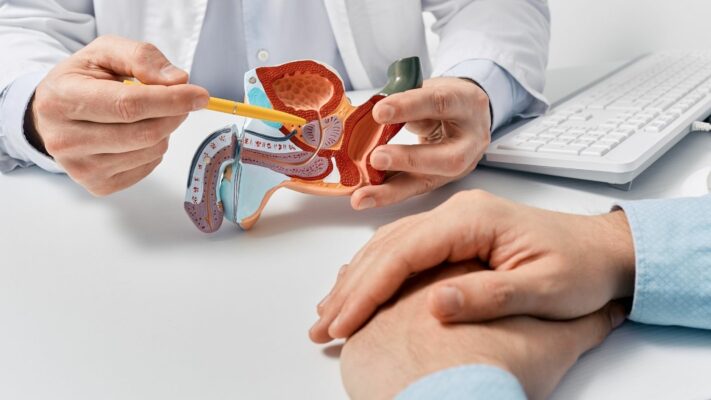
Prostate Problems: Which Doctor or Specialist Should You See?
The medical specialty that men experiencing [...]
Read More
13
Jul
Jul

Premature Ejaculation: Which Doctor Should You See for Treatment?
The first and primary medical specialty [...]
Read More
13
Jul
Jul