Türkçe

Disease diagnosis based on semen colors is the direct identification of infections in the reproductive tract, prostate problems, and vascular damage when semen fluid, which is opaque white in a healthy state, turns yellow, green, transparent, or red. Changes in pigment and cellular structure within the ejaculate are biological indicators that immediately reveal inflammation, sexually transmitted pathogens, or anatomical obstructions. In routine urological examinations, these visible visual deviations map the underlying pathological process and guide the selection of the correct laboratory tests. Through these shifts in the color spectrum, the body presents a transparent clinical report about its own health and lays the foundation for early medical intervention.
| Transparent or very light-colored | It may be associated with frequent ejaculation, low sperm concentration, or diluted semen. It is not an indicator of disease on its own. |
| White or grayish-white | It is generally the healthy and normal color of semen. |
| Yellow | It may be associated with mixing with urine, prolonged absence of ejaculation, certain vitamin supplements, or mild infections. It should be evaluated if accompanied by fever, pain, or a foul odor. |
| Greenish | It is a finding that should be evaluated for bacterial infection, prostate infection (prostatitis), or sexually transmitted infections. |
| Pink, red, or brown | It may indicate the presence of blood in semen (hematospermia). It may be associated with infections of the prostate, seminal vesicles, or urethra, inflammation, stones, trauma, or rarely tumors. Urological evaluation is required in recurrent or prolonged cases. |
| Dark brown | It may indicate that old blood has mixed with the semen. The source of the bleeding may need to be investigated. |
| Black | It is very rare. Because it may be associated with old bleeding, certain metabolic diseases, or serious medical conditions, it requires urgent evaluation. |
| Color change accompanied by a foul odor | It increases the likelihood of infection. Medical evaluation is recommended, especially if accompanied by pain, burning, fever, or discharge. |
| When should a doctor be consulted? | Urological evaluation is required if blood in the semen recurs, the semen is green, there is a foul odor, fever, severe pain, burning during urination, testicular pain, or the color change lasts longer than a few weeks. |
| Important information | Semen color alone cannot provide a definitive diagnosis of any disease. For a definitive diagnosis, physical examination, urine and semen analysis, and, when necessary, blood tests and imaging methods should be used. |
What Is the Natural Semen Color of a Healthy Man and Why Does It Change?
Nothing in the human body is accidental. The color of fluid coming from a healthy reproductive system is generally a matte white, sometimes slightly grayish or very pale yellow. This translucent or opaque appearance is the result of the perfect mixture of the fluids that make up semen. There is a common misconception in society that semen consists only of sperm cells. However, the reality is completely different. Sperm cells actually make up only a very small portion of the total volume expelled. The remaining large portion consists of highly specialized secretions that enable sperm to survive, receive nourishment, and reach their destination.
The main building blocks found in this special mixture are as follows:
- Fructose
- Citric acid
- Zinc
- Enzymes
- Proteins
Each of these components is secreted from the vesicles behind the bladder and the prostate gland and then combined. The light-refracting properties of these proteins and minerals create the familiar matte white color. When first expelled from the body, it is not in a liquid consistency but rather has a gummy or clotted structure. This is completely natural and is a safety measure designed to prevent sperm from dispersing immediately. After a short time, enzymes from the prostate gland become active and dissolve this jelly-like structure, making the fluid completely free-flowing and transparent. If this liquefaction process does not occur, a problem related to enzyme production is considered.
Which Diseases Can Be Diagnosed from Yellow Semen Color?
One of the most common changes encountered in reproductive health is yellowing of the fluid. This yellowing may vary from a very light shade to a dark yellow. When a microbe or bacterium enters any part of the body, our immune system immediately sends defense cells, namely white blood cells, to that area. When inflammation begins in the urinary tract, prostate, or tissues surrounding the testicles, these white blood cells rapidly rush to the region.
These cells secrete a very special enzyme, and the color of this enzyme is naturally quite yellow. When inflammatory cells mix with the fluid, these yellow pigments change the color of the entire fluid. This is one of the clearest signs that the infection is actively continuing. The chemicals secreted by inflammatory cells also contain harmful oxidizing substances. Just as iron rusts, these substances attack and weaken the membranes of healthy sperm cells. Therefore, when a yellow color is observed, it is not viewed merely as a cosmetic problem; the underlying infection must be found quickly to protect the reproductive cells.
Possible sites of infection are as follows:
- Prostate
- Epididymis
- Urethra
- Bladder
Bacterial activity in any of these regions can trigger the defense mechanism and cause permanent or temporary yellowing of the fluid.
Is Yellowing of Semen Always a Sign of Disease or Is It Related to Nutrition?
Of course, not every yellowing indicates a frightening infection or inflammation. Our body processes everything we eat and drink and removes waste through fluids. Especially when not enough water is consumed during the day, all bodily fluids lose volume, become darker, and more concentrated. This is similar to urine turning dark yellow when the body is dehydrated.
At the same time, dietary habits and certain externally taken supplements can also cause significant color changes. For example, when vitamin supplements are used heavily, the body excretes excess vitamins through urine and reproductive fluids. This may cause a temporary but very bright, sometimes almost fluorescent yellow color. In addition, prolonged sexual abstinence, meaning that the fluid produced by the body remains inside for a long time without being expelled, may cause oxidation, darkening the color and giving it a yellowish appearance. This condition completely disappears when the sexual routine returns to normal.
Some foods and supplements that affect color are as follows:
- Carrots
- Pumpkin
- B vitamins
- Multivitamins
- Food colorings
When consumption of these is stopped or reduced, the body’s fluid balance returns to its former healthy appearance within a short time.
Which Diseases Are Diagnosed When Green Semen Color Is Observed?
When the color goes beyond yellowing and becomes clearly green or greenish, the situation should be taken more seriously. Green color generally indicates a very intense accumulation of bacteria and that the body is fighting a serious battle in that region. Inflammatory discharges described in medicine as purulent, meaning pus-containing, have greenish tones.
This condition is most often the result of sexually transmitted infections. Harmful bacteria entering through the urinary canal and attaching to the tissues cause serious damage there. When the immune system makes an intense effort to eliminate these bacteria, the resulting waste and blue-green pigments produced by certain specific bacteria mix with the fluid. Complaints of green-colored fluid are usually accompanied by symptoms such as burning during urination, frequent need to urinate, groin pain, or drop-by-drop purulent discharge from the penis. This picture is a critical turning point at which the correct antibiotic treatment must be started without delay.
Some common bacteria that cause a green color are as follows:
- Gonococcus
- Chlamydia
- Mycoplasma
- Pseudomonas
The presence of these bacteria is detected through specialized laboratory tests, and they are completely treatable.
Which Diseases Can Be Diagnosed from Red or Bloody Semen Color?
Perhaps the situation that causes the greatest panic and prompts people to seek medical attention most urgently is seeing blood in the expelled fluid. Although this condition, called hematospermia in medical terminology, is visually very frightening, in the vast majority of cases the underlying cause is completely benign. The organs of the reproductive system and the channels carrying these fluids are covered with countless capillaries as thin as a strand of hair and difficult to see with the naked eye.
Sometimes contractions in these organs, sudden pressure changes, a minor blow to the area, or a mild infection may cause one of these tiny vessels to rupture. This can be compared to capillaries inside the nose rupturing and bleeding when the air becomes dry. The color of the bleeding provides very valuable clues about when it occurred. If the color is fresh, bright red, or pink, this indicates that the bleeding occurred at that moment or very recently. However, if the color has turned dark brown, rusty, or like coffee grounds, this indicates that the blood remained inside for some time and is old bleeding. Blood that remains stagnant darkens as it loses contact with oxygen.
The types of bleeding distinguished according to color shade are as follows:
- Pink
- Bright red
- Dark red
- Brown
- Rust-colored
This spectrum of colors provides a very important map showing in which channel or gland the source of the problem may be located.
How Does Disease Diagnosis from Bloody Semen Color Change According to Age?
When a bleeding complaint is encountered, disease diagnosis is shaped entirely according to the person’s age. As the body ages, the structure of the reproductive organs and the problems they encounter also change. Therefore, the evaluation process for an individual under the age of forty is very different from that of an individual over the age of fifty.
In the younger age group, infections are by far the most common cause of bleeding. Active lifestyles, sports injuries, blows to the genital area, or certain sexually transmitted diseases may cause capillary rupture in this age group. Sometimes structurally present but harmless cysts in the small vesicles behind the bladder may also cause bleeding. However, once the age exceeds fifty, the situation changes. At this age, the prostate gland begins to enlarge naturally. Enlarged prostate tissue stretches the surrounding vascular network, making these vessels bleed much more easily. Although most bleeding in the older age group is caused by prostate enlargement, evaluation is performed much more carefully because the statistical likelihood of more serious conditions such as cancer increases.
Factors that emerge due to aging are as follows:
- Prostate enlargement
- Prostate stones
- Channel strictures
- Blood pressure problems
- Vascular weaknesses
All these structural changes may occur as part of the natural aging process, and their treatments are highly successful.
Which Reproductive Diseases Can Be Diagnosed More Easily from Watery Transparent Semen Color?
One of the most important factors giving semen its dark, opaque, and matte appearance is the high concentration of cells it contains. If the fluid has become completely transparent, almost as clear as water, this indicates that the cellular density within it has decreased significantly. This usually means that the body’s sperm production has slowed down or that the reserves are temporarily depleted.
For example, in cases of very frequent ejaculation, the reserves in the testicles do not have enough time to renew themselves. In this situation, the expelled fluid consists only of transparent fluids produced by the prostate and other glands. However, if transparent fluid continues to appear despite a normal frequency of sexual activity, this may suggest a structural problem negatively affecting sperm production. Varicocele, known as enlargement of the veins around the testicles, is one of the most common causes of this condition. Enlarged veins increase the temperature in the area and suppress cell production. Similarly, hormonal imbalances, particularly decreases in testosterone levels, may also cause a clear appearance.
The main conditions causing transparency are as follows:
- Varicocele
- Low hormone levels
- Frequent ejaculation
- Channel obstruction
Identifying these conditions is particularly valuable for individuals planning to have children in the future and creates an opportunity for early intervention.
Which Rare Diseases Can Be Diagnosed from Black or Dark Semen Color?
There are also black or nearly black, very dark gray color changes that are extremely rare in medicine and usually result from highly unusual conditions. This type of color change generally indicates that melanin pigment or heavy metals have mixed with the fluid in high concentrations. It is also possible for old blood in the body to remain inside for months, completely deteriorate, and turn black, although this is an extremely rare condition.
Especially in paralyzed patients who have experienced spinal cord injuries, secretions produced by the body cannot be expelled because muscle control is lost. Fluids that remain motionless in the channels for a very long time undergo chemical deterioration and may turn into a dark, muddy black color. In addition, workers who are employed in industrial environments without protective equipment and are constantly exposed to heavy metals may experience color changes as the body attempts to eliminate accumulated metals through secretions.
Factors causing darkening are as follows:
- Lead
- Nickel
- Manganese
- Old blood
Fortunately, with the development of occupational safety regulations today, such extreme signs of heavy metal poisoning are seen much less frequently than in the past.
Can Medication Use Change Semen Color and Mislead the Disease Diagnosis Process?
Our body breaks down every medication taken orally or intravenously through the liver and kidneys. The chemical waste produced during this breakdown process is removed from the body through sweat, urine, and other bodily fluids. Therefore, not knowing which medications a person uses while attempting to diagnose a disease may lead to highly misleading results.
Certain strong antibiotics, especially those used to treat diseases such as tuberculosis, can color all bodily fluids bright orange or red. When patients are unaware of this, they may panic and think they are bleeding. Certain cleansing medications used for urinary tract infections may also turn the fluid rust-colored or brown. At the same time, even some laxatives that stimulate the intestines may alter the body’s acid-base balance and cause deviations in the color of reproductive fluids.
Some medication groups that directly affect color are as follows:
- Antibiotics
- Laxatives
- Urinary tract disinfectants
- Painkillers
- Dietary supplements
For this reason, when consulting a doctor with a physical complaint, all herbal products and medications being used should be shared in detail without hesitation.
Which Questions Are Asked for Disease Diagnosis When Consulting a Doctor About Changes in Semen Color?
Many people tend to feel embarrassed and delay seeking help when they notice a problem related to their body, especially the reproductive organs. However, the medical process is based entirely on mutual trust and accurate communication. When entering the examination room, the process begins not directly with a physical examination but with a very detailed conversation. This conversation is actually the most important foundation of disease diagnosis.
Specialists try to understand when the color change was first noticed. Whether the change is constant or occurs only occasionally is extremely important information. Various questions are also asked to determine whether there is another signal elsewhere in the body. Additional complaints such as stinging or burning during urination, heaviness or pain in the testicular area, recent sudden weight loss, or night sweats are investigated. The answers to all these questions bring together the missing pieces of the puzzle and show where the evaluation should focus.
The main complaints questioned during the consultation are as follows:
- Fever
- Burning
- Pain
- Weakness
- Weight loss
Honest and complete answers from the patient prevent unnecessary tests and enable the problem to be addressed directly.
Which Diseases Suggested by Semen Color Become Clear Through Physical Examination?
After the conversation stage, the clues obtained must be physically confirmed. Physical examination is completely painless, extremely quick, and an essential step for understanding the anatomical structure of diseases. First, the external genital area is examined to check whether there is any swelling, mass, or enlarged veins in the testicles. The regions through which the sperm-carrying channels pass are gently touched to determine whether there is tenderness or inflammation.
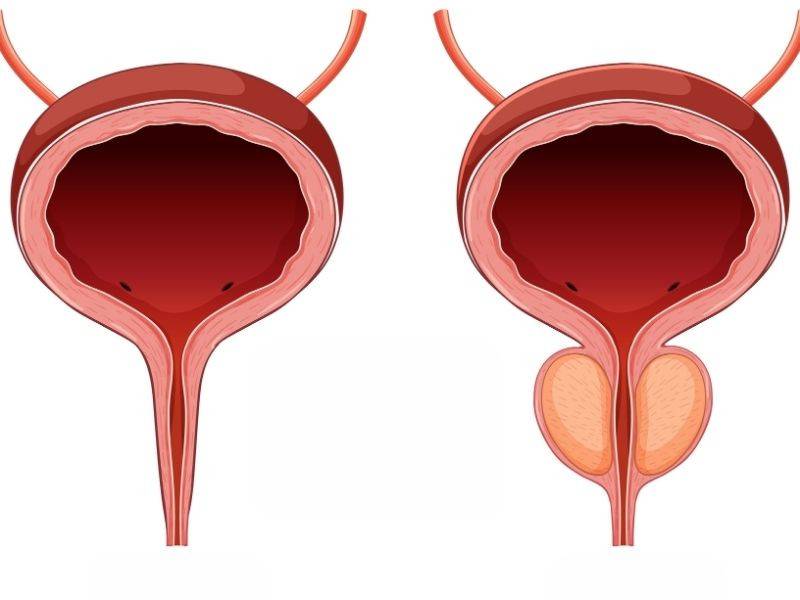
If the complaint suggests the possibility of an infection or enlargement related to the prostate, that area may also need to be examined manually. Because the prostate gland is located immediately below the bladder and in front of the large intestine, this is the easiest way to feel the texture of the gland. Whether the gland is soft or hard and whether there is a mass on it can be understood within seconds.
The main structures examined are as follows:
- Testicles
- Epididymal ducts
- Prostate gland
- Urethral opening
This short examination provides highly valuable preliminary information about the structure of the internal organs even before laboratory tests are performed.
How Do Laboratory Tests Contribute to Disease Diagnosis Based on Semen Color?
The impressions obtained by the doctor during the examination are confirmed through laboratory tests offered by modern medicine. The only way to understand what lies beneath a visible color at the cellular level is through microscopic analysis. The process usually begins with a very simple urinalysis. This immediately reveals whether there is hidden bleeding or bacteria in the urine.
The reproductive fluid itself is then examined in the laboratory. In this analysis, the volume and consistency of the fluid and the motility and concentration of the cells within it are measured in detail. If a yellow or green color raises suspicion of infection, a culture test is performed to identify the bacterium growing in the fluid. This test not only identifies the name of the bacterium but also determines precisely which antibiotic can eliminate it. In patients over the age of fifty, levels of specific proteins indicating prostate health are also measured through a simple blood sample.
The main tests used in diagnosis are as follows:
- Urinalysis
- Spermiogram
- Semen culture
- Blood tests
These laboratory results outline the roadmap for medical treatment in the finest detail.
Why Are Imaging Methods Necessary for Disease Diagnosis in Semen Color Changes?
Sometimes physical examination and blood tests may not be sufficient to show where the problem is located. Especially if blood has mixed with the fluid or a structural obstruction is suspected, technological tools that allow the internal organs to be viewed directly are needed. Imaging methods are excellent systems that allow us to look inside the body without performing any surgical procedure.
The first method usually used is ultrasonography. Ultrasound scans performed through the abdominal area or directly through the prostate region clearly display the size of the glands, fluid-filled sacs, stones, or calcifications. If there is a suspicious area that cannot be understood through ultrasound, magnetic resonance imaging (MRI), which provides much more detailed cross-sectional images, is preferred. In very persistent bleeding, a very thin camera may be inserted through the urinary tract to directly observe the inside of the channels.
The imaging tools used are as follows:
- Ultrasonography
- MRI
- Cystoscopy
- Computed tomography
Thanks to these devices, even the millimetric structures of the organs can be examined, ensuring that no detail is overlooked.
How Is Medication Treatment Applied After a Disease Is Diagnosed Based on Semen Color?
Once the correct disease diagnosis is made at the end of all these processes, treatment planning is quite easy. If the problem is a benign vascular rupture, a certain period of monitoring and rest is generally recommended to allow the body to repair itself. However, if a microbial problem is detected, medication treatment is initiated.
Due to its structure, the prostate gland is a closed and protected tissue that antibiotics penetrate with great difficulty. Therefore, unlike medications used for only a few days in a simple throat infection, inflammation in this region requires much longer courses of specialized antibiotics, sometimes lasting for weeks. To improve the patient’s daily comfort and relieve burning and pain, medications that reduce swelling are added to the treatment. If the cause of the bleeding is age-related prostate enlargement, specific medications that reduce pressure in the area and stop the bleeding are used.
The types of medication used during treatment are as follows:
- Antibiotics
- Painkillers
- Antioxidants
- Prostate-shrinking medications
Regular use of these medications for the period determined by the doctor ensures that the problem is completely eliminated and does not recur.
In Which Situations Is Surgery Required After Disease Diagnosis in Semen Color Changes?
In certain cases where medication treatment is insufficient or the problem is caused entirely by a mechanical obstruction, surgical solutions may be unavoidable. However, in modern medicine, the word surgery no longer means large incisions and long hospital stays. With technological advancements, procedures are performed using extremely small and precise instruments.
If there is an obstruction, a large cyst, or a persistent stone that cannot be cleared in the fluid channels, these obstacles are removed using closed methods by entering through the urinary tract. These procedures are generally performed with the help of lasers or microscopic blades. The patient can usually be discharged and return to normal life on the same day or the following day. These interventions open the channels and restore the body’s natural flow.
Problems that can be corrected surgically are as follows:
- Channel obstructions
- Cyst formations
- Persistent stones
- Enlarged veins
These types of closed operations offer both a safe and permanent treatment option that solves the problem at its root.
What Should Be Considered in Daily Life for Healthy Semen Color?
Protecting the body’s health before diseases develop is always the most effective approach. The regular and healthy functioning of the reproductive system is largely directly related to our general lifestyle habits. Drinking plenty of water continuously flushes the urinary tract, prevents harmful bacteria from remaining inside, and keeps bodily fluids at the correct concentration.
A regular sex life helps keep the channels clean by preventing secretions in the area from accumulating and deteriorating. At the same time, protected sexual intercourse is the primary requirement for protection against infections and the long-term damage they may cause. Avoiding tight clothing and not remaining in hot environments such as saunas for excessively long periods help keep the testicles cool and support healthy cell production.
The main precautions that can be taken in daily life are as follows:
- Drinking water
- Eating regularly
- Protected sexual activity
- Routine checkups
- An active lifestyle
Frequently Asked Questions
Healthy semen is generally white, grayish-white, or slightly opaque. Its color may vary slightly depending on factors such as diet, fluid intake, ejaculation frequency, and age.
Yellow semen may be associated with prolonged absence of ejaculation, urine residue, certain vitamin supplements, or infections. If yellow color is accompanied by a foul odor, pain, or fever, urological evaluation is recommended.
Red or brown semen may indicate the presence of blood in the semen, known as hematospermia. It may develop due to infection, prostate diseases, changes following biopsy, or vascular causes and requires medical evaluation.
Transparent or noticeably watery semen does not always indicate infertility. However, if it persists for a long time, semen analysis and urological evaluation are recommended to assess sperm concentration and semen volume.
Green semen may generally suggest the presence of a bacterial infection or intense inflammation. If symptoms such as pain, burning, fever, or a foul odor are present, a urology specialist should be consulted without delay.
Medical evaluation is required to investigate the underlying cause if the color change lasts longer than a few weeks, recurs, or appears together with pain, fever, burning during urination, bleeding, or a foul odor.
Yes. Certain vitamins, medications, food colorings, insufficient fluid intake, and dietary habits may cause temporary changes in semen color. Specialist evaluation is important when changes are permanent.
A urology specialist may use physical examination together with semen analysis, urinalysis, urine culture, blood tests, and, when necessary, prostate evaluation or imaging methods.
Color changes caused by temporary factors may resolve on their own. However, if the change continues or is accompanied by other symptoms, a doctor should be consulted to identify the underlying disease.
People who experience blood in the semen, persistent color changes, a foul odor, pain, discomfort during ejaculation, or suspected infertility are advised to consult a urology or andrology specialist for diagnosis and treatment planning.

Prof. Dr. Berkan Reşorlu, born in Ankara in 1979, completed his medical education at Ankara University between 1997 and 2003, and his specialization in urology at Ankara University Faculty of Medicine between 2003 and 2008. Academically, he received the title of associate professor in 2013 and professor in 2022.
He has conducted extensive case series studies in the field of endoscopic stone surgery, contributed surgeries performed on children under the age of 1 to the literature, and has gained international recognition with his stone scoring system and experimental surgical models.