Türkçe

The primary causes of burning and pain in the penis after sexual intercourse or ejaculation are inflammation of the urinary tract (urethritis), infections of the prostate gland (prostatitis), or irritation caused by fungal infections and allergies on the penile skin. Friction during sexual activity, forceful contraction of the pelvic muscles, and the passage of semen through the infected urinary tract under high pressure directly stimulate damaged tissues and trigger sharp pain. In other words, the physical exertion suddenly reveals microbial, anatomical, or mechanical problems that have remained hidden in the area. This condition, felt as stinging, burning, or a dull ache, is a very clear reaction indicating that the integrity of the tissues in the reproductive organs has been impaired.
| What is burning and pain in the penis after sexual intercourse? | It is a burning, stinging, or painful sensation that occurs in the penis after sexual intercourse. The complaint may begin during intercourse or develop afterward. It may be mild and short-lived, or it may be a sign of an underlying health problem. |
| Possible causes | Friction-related irritation, insufficient lubrication, intense or prolonged sexual activity, an allergic reaction to condoms or lubricants, urinary tract infection, sexually transmitted infections, balanitis (inflammation of the glans), prostatitis, foreskin problems, and, more rarely, injuries to the urethra or penis. |
| Characteristics of the burning sensation | The burning may be mild or severe. It may occur only after intercourse, or it may also be felt while urinating, during an erection, or as a complaint that continues throughout the day. |
| Accompanying symptoms | Burning during urination, penile discharge, foul odor, redness, swelling, itching, sores, rash, frequent urination, groin pain, fever, or pain during intercourse may occur. |
| Who is more likely to experience it? | It may be more common in those who have unprotected sexual intercourse, have a new sexual partner, have inadequate genital hygiene, have diabetes, are prone to allergies, or have frequently recurring urinary tract infections. |
| How is it diagnosed? | After a detailed medical history and physical examination, a urinalysis, urine culture, sexually transmitted infection tests when necessary, blood tests, and additional urological examinations may be performed when deemed necessary. |
| Treatment | Treatment is planned according to the underlying cause. In cases related to irritation, rest and avoidance of irritating factors may be sufficient. Antibiotics may be used for bacterial infections, antifungal treatment for fungal infections, and appropriate medications for allergic reactions. In sexually transmitted infections, evaluation and treatment of the partner may also be necessary. |
| What should be considered at home? | It is recommended to avoid sexual intercourse until the complaints improve, ensure adequate lubrication, keep the genital area clean and dry, avoid irritating soaps and cosmetic products, drink plenty of water, and not use medication without a doctor’s recommendation. |
| When is urgent evaluation required? | Urgent medical evaluation is required in cases of severe pain, significant swelling or bruising of the penis, heavy bleeding, inability to urinate, high fever, heavy foul-smelling discharge, a painful erection lasting longer than four hours, or serious trauma. |
| Possible complications | Untreated infections may spread, and chronic pain, recurrent infections, urethral stricture, sexual dysfunction, and, rarely, fertility-related problems may develop. |
| When should a doctor be consulted? | A urology specialist should be consulted if the burning and pain do not resolve within a few days, recur frequently, worsen during urination, are accompanied by discharge, sores, fever, or groin pain, or occur after unprotected sexual intercourse. |
| Prevention methods | Safe sexual intercourse, use of an appropriate lubricant, maintaining genital hygiene, avoiding irritating products, choosing suitable alternatives if there is an allergy to condoms or lubricants, and seeking early medical evaluation when signs of infection develop help with prevention. |
What Are the Main Causes of Burning and Pain in the Penis After Sexual Intercourse?
During and after sexual activity, very intense physical and chemical activity takes place in the male reproductive system.
Blood flow accelerates, blood vessels dilate, and all the muscles in the pelvic region contract and relax forcefully. At the same time, the urinary tract facilitates the expulsion of semen under high pressure. At precisely these moments, a disease that would normally remain hidden or has not yet caused symptoms may suddenly turn into a severe symptom due to the physical stress and tissue stretching caused by sexual activity.
To understand the underlying causes of these complaints, it is necessary to think of this part of the body as interconnected rooms and corridors. The problem may be in the wallpaper on the surfaces of these rooms (skin and mucosal problems), in the doors and corridors connecting the rooms (structural narrowing and anatomical abnormalities), or directly in the main production centers inside (prostate and bladder infections). Each different cause expresses itself in the body through a different language of pain. Reading this language of pain correctly is the first step in finding the root of the problem.
In general terms, the main groups of these conditions are as follows:
- Infections
- Inflammation
- Structural abnormalities
- Skin diseases
- Allergic reactions
- Muscle spasms
Can Inflammation of the Prostate Gland Cause Burning and Pain in the Penis After Sexual Intercourse?
The prostate gland, one of the most important parts of the male reproductive system, is located just below the bladder and surrounds the urinary tract like a ring. Its primary function is to produce a large portion of the semen that nourishes and protects sperm. When any inflammation or swelling (edema) occurs in this gland, ejaculation becomes an extremely painful process. During ejaculation, the muscles around the prostate contract very strongly to expel the fluid. If the prostate tissue is inflamed, these contractions squeeze the diseased tissue like a sponge, creating severe pain. Moreover, as this infected fluid passes through the urinary tract, its acidic structure irritates the inside and causes a burning sensation that may last for hours after intercourse.
This condition, called prostatitis, has different stages and types. While acute-onset cases cause very severe symptoms that appear suddenly, chronic cases cause more insidious and long-lasting complaints. Sometimes, even when there are no microbes or bacteria present, the muscles around the prostate remain constantly tense, creating a cramp-like condition called chronic pelvic pain that requires patience to treat.
Common complaints in acute bacterial prostatitis include:
- High fever
- Severe chills
- Urgent need to urinate
- Inability to urinate
- Sharp pelvic pain
In chronic pelvic pain and chronic inflammation, the following conditions are generally observed:
- Dull and insidious pain
- Aching in the testicles
- A feeling of pressure in the perineum
- Painful ejaculation
- Stinging during urination
How Do Sexually Transmitted Infections Trigger Burning and Pain in the Penis After Sexual Intercourse?
The urinary tract (urethra) is a shared tunnel in the male body through which both urine and semen are expelled. The inner surface of this tunnel is covered with a membrane (mucosa) that is highly sensitive to harmful substances coming from outside. During unprotected sexual contact, bacteria or other microorganisms from outside enter directly into this tunnel and settle there. These microbes attach to the inner surface of the tunnel, start a battle there, and irritate and inflame the inner lining.
This damaged and inflamed inner surface then becomes extremely sensitive even to the slightest stimulus. The natural acidity of urine or the pressurized passage of semen through this tunnel during intercourse creates a very sharp, stabbing burning sensation, as if salt had been poured into an open wound. This condition is called urethritis in medicine. While infections traditionally known as gonorrhea immediately reveal themselves with very heavy and purulent discharge, some insidious microbes may hide without causing any visible discharge and appear only as burning after intercourse and urination. If these insidious microbes are not eliminated in time, they may travel upward through the urinary tract and reach the prostate gland or testicles, causing permanent damage.
Common microorganisms that can silently cause inflammation in the urinary tract include:
- Chlamydia trachomatis
- Ureaplasma urealyticum
- Mycoplasma genitalium
- Mycoplasma hominis
- Trichomonas vaginalis
Can Sensitivities and Fungal Infections on the Penile Skin Cause Burning and Pain in the Penis After Sexual Intercourse?
The penile skin, one of the most sensitive skin tissues in the body, and especially the foreskin are the areas exposed to the most intense physical friction during sexual activity. Disruption of the natural moisture balance of this area, inadequate attention to hygiene, or, conversely, attempts to clean it with excessive chemical products can open the door to serious skin problems. Especially in people with diabetes or when the immune system is weakened, fungi that normally live harmlessly on the skin may suddenly begin to multiply. Fungal infections thin the penile skin as if it had been sanded and make it extremely sensitive. Friction during intercourse causes redness, small cracks, and then an unbearable burning sensation mixed with itching on this thinned skin.
In addition, allergic reactions should not be overlooked. When the body’s defense system perceives a foreign substance it comes into contact with as a threat, it immediately responds with redness, swelling (edema), and burning in that area. This condition generally appears within minutes immediately after sexual intercourse.
Common substances that may cause skin sensitivity and allergies in the genital area include:
- Latex materials
- Spermicidal gels
- Perfumed lubricants
- Colored shower gels
- Scented soaps
- Cosmetics used by the partner
How Do Structural and Mechanical Abnormalities of the Penis Cause Burning and Pain After Sexual Intercourse?
Penile tissue consists of flexible chambers that expand and harden when filled with blood and strong sheaths surrounding these chambers. If there is any defect in the integrity or flexibility of this anatomical structure, it cannot adapt to the physical tension required by sexual activity. Even if there is no inflammation or infection inside, severe pain may occur for purely mechanical reasons.
For example, in conditions more commonly seen with advancing age and popularly known as penile calcification, hard, cartilage-like plaques (scar tissues) form on the flexible sheath of the penis. During an erection, when the penis tries to lengthen, these hard plaques do not stretch and pull the tissue to one side. This asymmetrical tension creates a very painful ache and burning during intercourse, especially in the active stages of the disease. Similarly, if the foreskin is too tight to comfortably expose the glans or if the connective tissue joining the tip of the penis to the foreskin is congenitally short, every sexual encounter becomes traumatic. As these tight and short tissues are strained, they tear and bleed at a microscopic level, leaving painful burning after sexual activity.
Frequently encountered structural and mechanical problems include:
- Peyronie’s disease
- Phimosis
- Paraphimosis
- Frenulum breve
- Urethral strictures
- Penile trauma
Can Diseases in Other Organs Be Felt as Burning and Pain in the Penis After Sexual Intercourse?
The nervous system in the human body is like a complex highway network. Sometimes, a problem occurring in one organ may be felt as pain in a completely different area because of shared connections in the nerve pathways. In medicine, this is called referred pain. The source of burning felt in the penis does not always have to be the penile tissue itself. Problems in the organs of the urinary system located higher up may also trigger these complaints.
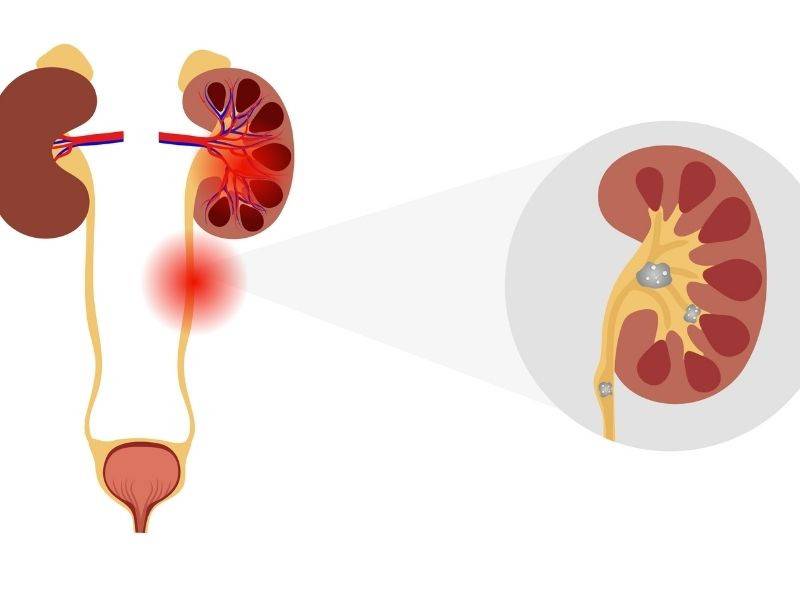
Stones of various sizes in the bladder or in the pathways running from the kidneys to the bladder, as well as the passage of kidney sand, continuously irritate the urinary tract from within. The pressure these stones place on the base of the bladder or their friction against the entrance of the urinary tract creates an aching and burning sensation that radiates directly to the tip of the penis through the nerves. This referred pain generally becomes more pronounced due to the rhythmic movements and jolting in the pelvic region during sexual intercourse.
Urinary system problems that may cause pain radiating to the penis include:
- Bladder stones
- Kidney sand
- Ureteral stones
- Interstitial cystitis
- High bladder neck
How Does the Correct Diagnostic Process Work for Burning and Pain in the Penis After Sexual Intercourse?
Using medication through trial and error without finding the true source of the problem often causes the complaints to be temporarily suppressed while allowing the disease to deepen and become chronic. Therefore, professional urological evaluation is essential when the first complaints appear. Many men endure these pains for months or even years because they are hesitant about a genital examination or especially a prostate examination. However, today’s diagnostic methods are extremely comfortable, fast, and provide definitive results.
The process begins with the patient describing in detail when and how the complaints are felt. Details such as whether the burning occurs only during ejaculation, whether it continues while urinating, and whether there is discharge are the most important clues indicating the location of the problem. Then, a careful physical examination is performed to observe problems in the skin or penile structure. If a prostate-related issue is suspected, the size, consistency, and tenderness of the prostate are checked with a very brief manual examination. When necessary, modern laboratory tests capable of detecting the finest details in the urinary tract and prostate fluids are used. Insidious microbes that require days of waiting in standard culture tests and are sometimes missed because they fail to grow can now be detected within just a few days with almost one hundred percent accuracy through advanced tests that examine the patient’s genetic material.
Modern methods frequently used in the diagnostic process include:
- Physical evaluation
- Digital prostate examination
- Meares-Stamey four-glass test
- Urine and discharge cultures
- Real-Time PCR DNA analysis
- Penile Doppler ultrasonography
Which Medications and Current Treatment Methods Are Used for Burning and Pain in the Penis After Sexual Intercourse?
Once the diagnosis is clarified, the treatment to be applied is planned entirely according to the individual and the source of the problem. The goal is not only to relieve the pain temporarily but also to repair the damage in the area and completely eliminate the disease from the body. If the problem is a bacterial infection, special groups of antibiotics that penetrate the tissue much more effectively are selected instead of standard antibiotics. Eliminating infections in protected organs such as the prostate requires time and patience; therefore, medication treatments may sometimes continue uninterrupted for weeks. Medications that relax the urinary tract and reduce internal pressure, as well as anti-inflammatory drugs that resolve tissue edema in the area, also provide major support for the treatment.
However, at the point medicine has reached today, we are not dependent only on medications. Especially in chronic cases that have persisted for months and developed resistance to medication, high-tech devices that activate the body’s self-healing mechanisms come into play. One of these, shock wave therapy, works with completely painless sound waves sent externally into the tissue. These waves promote the formation of new capillaries in the diseased area and repair damaged pain nerves. Similarly, ozone gas treatments applied inside the urinary tract also produce satisfying results by eliminating resistant microbes and carrying abundant oxygen to the tissue, thereby stopping the burning sensation immediately. Special physical therapy sessions used to relieve muscle cramps in the pelvic region also help relax locked muscles. If the problem is a narrowed foreskin or blockage of the urinary tract, these mechanical obstacles are completely eliminated with very brief minor surgical procedures.
The main pharmacological and medical approaches used during treatment include:
- Targeted antibiotics
- Alpha-blocker medications
- Anti-inflammatory tablets
- Herbal antioxidant supplements
- Low-intensity shock wave therapy
- Intraurethral ozone applications
- Pelvic floor rehabilitation
What Should Be Done in Daily Life to Prevent Burning and Pain in the Penis After Sexual Intercourse?
The success of medical treatment is directly related to small but effective changes the patient makes in their lifestyle. Every food and drink taken into the body is eventually filtered through the kidneys, reaches the bladder, and is excreted through urine. If the foods consumed have irritating properties, they continue to burn the already sensitive urinary tract and prostate from within. Therefore, especially during the treatment process, reorganizing dietary habits is of great importance.
In addition, drinking plenty of water continuously flushes and cleans the urinary tract, making it difficult for bacteria to attach to surfaces. Sitting motionless at a desk for hours slows blood circulation in the pelvic region and compresses the prostate by creating mechanical pressure on the organs. Regular walking and standing up to move at intervals refresh the blood flow to the pelvic region and help the tissues relax. Paying attention to sexual hygiene, avoiding harsh chemical cleansers, and always using protection during suspicious contact are the most basic ways to prevent recurring complaints.
Foods and drinks that should be avoided because they irritate the bladder and lower urinary tract include:
- Strong black tea
- High-caffeine coffees
- All types of alcoholic beverages
- Acidic and carbonated drinks
- Excessively hot spices
- Citrus juices
What Undesirable Consequences Can Occur If Burning and Pain in the Penis After Sexual Intercourse Are Left Untreated?
Every pain that occurs in the body is actually the body’s way of saying, “There is a problem here, and I need help.” Treating burning and pain after sexual activity as only a temporary discomfort and failing to address it can lead to much more complex health problems in the future. A minor microbial infection that is ignored may gradually penetrate deeper into the reproductive organs, causing blockages in the ducts that carry sperm or serious reductions in sperm quality and leading to infertility.
The issue is not only physically damaging but also psychologically exhausting. The constant expectation and fear of experiencing pain cause the man to gradually withdraw from his sexual life, develop performance anxiety, and ultimately lose the emotional and physical bond with his partner. Chronic pelvic pain can disrupt sleep patterns, concentration at work, and overall enjoyment of life, leading to severe depression.
Potential risks caused by complaints that are not treated correctly and on time include:
- Chronic unbearable pelvic pain
- Infertility problems that are difficult to reverse
- Secondary erectile dysfunction
- Premature ejaculation problems
- Loss of sexual desire
- Severe anxiety and depression
Frequently Asked Questions
Burning and pain in the penis after sexual intercourse may be caused by different factors such as friction-related irritation, urinary tract infection, sexually transmitted infections, fungal infections, allergic reactions, or prostate diseases.
If burning and pain are accompanied by burning during urination, discharge, bleeding, fever, sores in the genital area, swelling, or foul-smelling discharge, a urological evaluation is required for an underlying infection or another health problem.
Urological examination, urinalysis and culture, sexually transmitted infection tests, blood tests, and, when necessary, urethral swab or imaging methods may be used for diagnosis.
Treatment is planned according to the underlying cause. While appropriate medication is used for infections, protecting the area and supporting healing may be sufficient in cases related to irritation. Treatment should be determined by a physician.
Yes. Gonorrhea, chlamydia, genital herpes, and other sexually transmitted infections may cause burning and pain in the penis. Evaluation is important for people with a history of risky sexual contact.
Ensuring adequate lubrication, using condoms, paying attention to genital hygiene, avoiding risky sexual behavior, and treating infections on time may reduce the risk of recurrence.
If symptoms such as severe pain, sudden swelling of the penis, bruising, heavy bleeding, inability to urinate, high fever, or a prolonged erection develop, urgent medical assistance should be sought without delay.
If an infection is suspected, evaluating not only the individual but also the sexual partner and treating them when necessary is important to prevent reinfection and improve treatment success.
Mild irritation caused by friction may improve within a short time. However, if the symptoms do not resolve within a few days, recur frequently, or occur together with other complaints, a medical evaluation must be performed.
People who experience burning, pain, discharge, sores, or burning during urination after sexual intercourse are advised to consult a urology specialist for diagnosis and treatment planning and, when necessary, a dermatology or infectious diseases specialist.

Prof. Dr. Berkan Reşorlu, born in Ankara in 1979, completed his medical education at Ankara University between 1997 and 2003, and his specialization in urology at Ankara University Faculty of Medicine between 2003 and 2008. Academically, he received the title of associate professor in 2013 and professor in 2022.
He has conducted extensive case series studies in the field of endoscopic stone surgery, contributed surgeries performed on children under the age of 1 to the literature, and has gained international recognition with his stone scoring system and experimental surgical models.